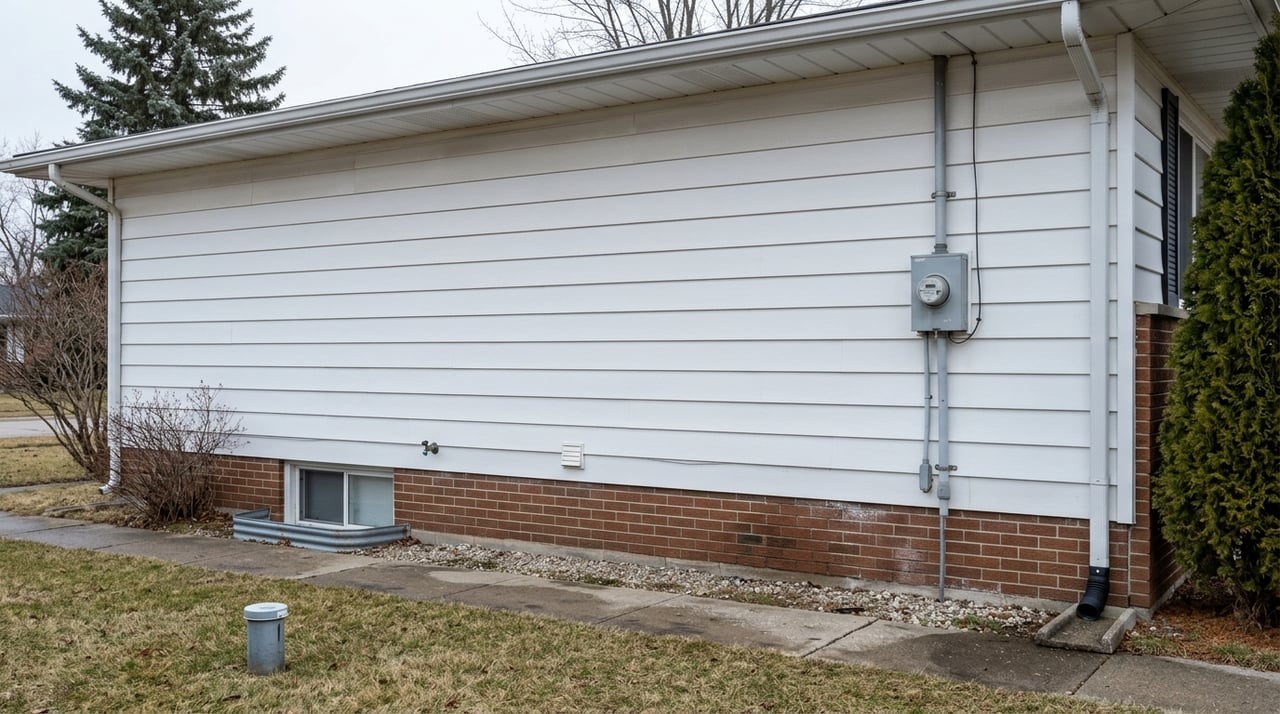
Otsego Home Inspection Issues Every Buyer Should Review
April 23, 2026
April 23, 2026
Buying a home in Otsego can be exciting, but the inspection often feels like the moment where nerves kick in. If you are under contract on a house here, it helps to know that inspection reports in Otsego often reflect the age of the home and Southwest Michigan weather patterns, not just major defects. When you know what inspectors look for and how to interpret the report, you can make a calmer, smarter decision. Let’s dive in.
In Otsego, a large share of homes are older. According to the City of Otsego Housing Needs Assessment, about two-thirds of homes in the city are more than 50 years old, and the housing stock is made up largely of detached single-family homes.
That matters because older homes usually come with more maintenance-related findings. You may see notes about roofing age, worn exterior trim, older windows, outdated mechanical systems, drainage concerns, or insulation that no longer meets current expectations. In many cases, those findings are part of owning an older home and not automatic reasons to walk away.
A home inspection is best understood as a decision tool. The Michigan State Housing Development Authority describes it as a professional, unbiased review of a home's physical condition, structure, construction, and mechanical systems.
At the same time, the InterNACHI Standards of Practice make clear that a home inspection is a non-invasive, visual examination of accessible areas on the day of the inspection. It is not technically exhaustive, and it does not guarantee that every hidden issue will be discovered.
That means your report is not a pass-or-fail grade. It is a snapshot of what is visible and accessible, designed to help you understand repair needs, maintenance items, and areas that may need more evaluation.
A standard home inspection typically includes the home's major visible systems and components. In most Otsego transactions, you can expect the inspector to review:
There are also limits. Inspectors are not required to move stored items, remove snow or ice, or walk roofs that are unsafe to access, according to the InterNACHI standards. During a Michigan winter, that can affect how much of the exterior or roof can be fully seen.
Older homes often show wear around shingles, flashing, gutters, and downspouts. Even when the roof is still functioning, an inspector may flag aging materials or areas that need maintenance.
Drainage is just as important. If the grading slopes toward the home or downspouts do not move water far enough away, moisture can collect near the foundation. In Otsego, that is worth paying close attention to.
Basements and crawlspaces often tell an important story about a home's condition. Inspectors look for visible water intrusion, signs of foundation movement, wood near soil, and moisture-related concerns in accessible areas.
In an older home, a little evidence of past moisture may not be unusual. What matters more is whether there is active seepage, repeated water intrusion, or visible movement that points to a larger issue.
Older homes may have aging furnaces, plumbing lines, or electrical components. A general inspection looks at visible and accessible parts of these systems and checks whether they appear to be operating as intended on inspection day.
A system that is older is not automatically defective. But if there are safety issues, non-working components, or signs of significant wear, those findings deserve closer review.
Otsego buyers should keep local climate in mind when reading an inspection report. The National Weather Service climate data for Southwest Michigan shows winter temperatures commonly stay below freezing for long stretches, especially in December, January, and February.
That kind of weather can affect homes in several ways. Freeze-thaw cycles can stress exterior materials and foundations, while winter conditions can increase the chance of ice-related roof issues and frozen plumbing risks.
The U.S. Department of Energy notes that pipes in unheated or poorly insulated areas can freeze and burst. For homes in Otsego, that makes areas like crawlspaces, exterior walls, garages, attics, and basements especially important to evaluate carefully.
Not every inspection item deserves the same level of concern. These are the issues that usually matter most:
If your report points to one or more of these, it does not always mean the deal is over. It usually means you should slow down, ask better questions, and possibly bring in the right specialist.
This is where many buyers need reassurance. In an older market like Otsego, inspectors often note items that are worn, dated, or nearing the end of their useful life. The InterNACHI standards distinguish between true material defects and components that are simply old.
That distinction matters. Peeling trim paint, older windows, dated insulation, minor settlement cracks, or an aging but functional furnace may affect your budget and future plans, but they are not always urgent defects.
A good way to think about it is this: age alone is not the same as failure. Focus first on safety, structure, active water issues, and major system performance.
A simple way to sort inspection findings is to place them into three buckets.
Cosmetic flaws and standard upkeep items usually belong here. These are things you can plan for as part of normal homeownership.
Examples may include worn caulk, older finishes, minor trim repairs, or components that are aging but still working.
This category includes issues that affect safety, function, or active water management. If the report shows plumbing defects, electrical hazards, roof leaks, heating problems, or moderate moisture concerns, it may be reasonable to request repairs, credits, or another solution.
The goal is not to ask for every small fix. It is to focus on the items that materially change your risk or expected costs.
Some findings call for a specialist before you decide how to move forward. Major foundation movement, repeated water intrusion, or signs of a bigger system issue often fall into this category.
This is also the right approach when the property has utility systems that a general home inspection does not fully evaluate.
If the Otsego-area property uses a private well or septic system, do not assume the general inspection covers everything. The InterNACHI standards state that inspectors are not required to evaluate wells, water quality, septic systems, drainfields, or water-source reliability.
That is especially important in rural or semi-rural parts of Allegan County. You should ask early whether the home uses municipal water and sewer or private systems, then line up any needed specialists while you are still within your inspection timeline.
According to Michigan EGLE guidance on private drinking water testing, private well owners are responsible for water quality, and annual testing for coliform bacteria and nitrates is recommended. EGLE also notes that buyers and sellers should test drinking water when a home has a well.
For septic systems, EGLE's SepticSmart guidance recommends inspection every three years and pumping as needed, often every three to five years. Allegan County's evaluation form for existing on-site systems also points buyers toward practical due diligence like reviewing pumping history, checking for prior evaluation paperwork, and confirming whether municipal utility service is available.
Once you have the report, it helps to move from worry to clarity. Ask questions like:
These questions can help you make a practical decision instead of reacting emotionally to a long report.
In Otsego, a thorough inspection report is often part of buying an older Southwest Michigan home, not a sign that something has gone terribly wrong. The key is to separate normal age and maintenance from issues involving safety, water, structure, or major systems.
If you stay focused on the findings that matter most, you can move forward with more confidence and fewer surprises. And if you want a local team that understands how to evaluate older homes, rural systems, and real-world repair questions in Southwest Michigan, connect with Adam Atwood.
Stay up to date on the latest real estate trends.
Partner with Atwood Properties Group for expert guidance in buying, selling, renting, or investing. Honest advice, seamless service, and local expertise you can trust every step.