What to Know About Buying a Lake Home in Paw Paw
March 24, 2026
March 24, 2026
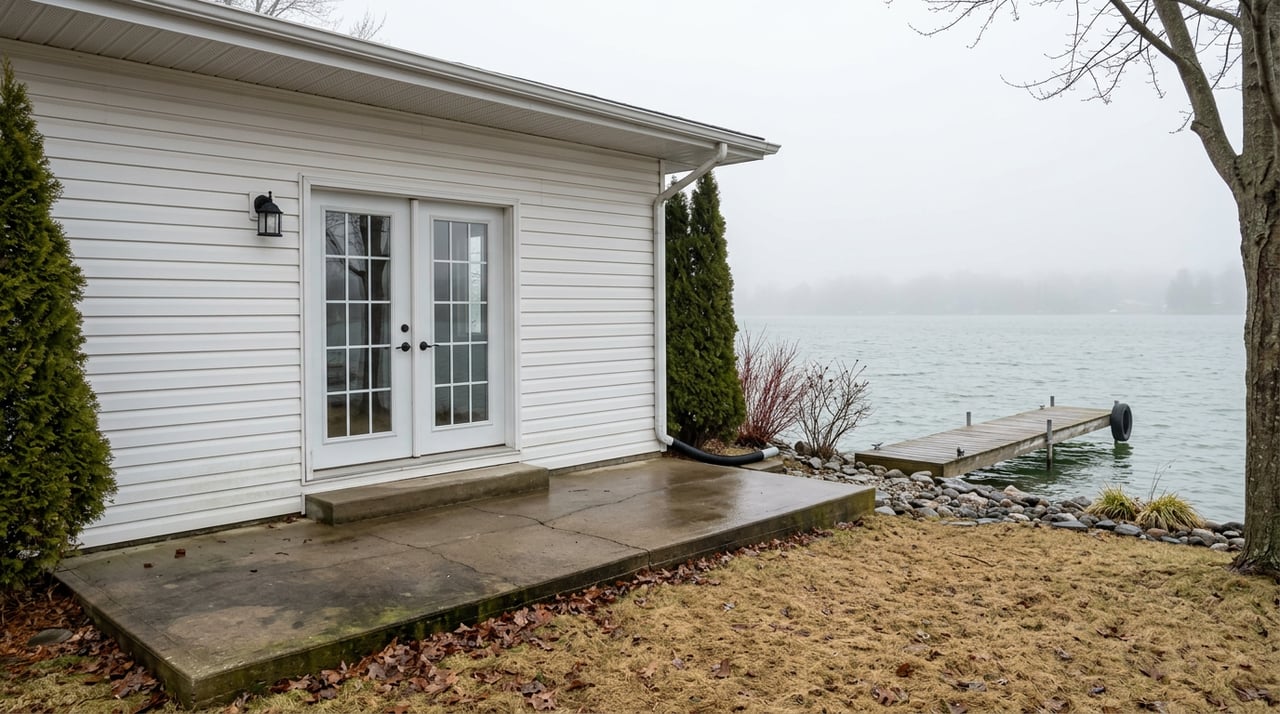
Picture your coffee steaming on a quiet morning while the lake glasses over. Buying a lake home in Paw Paw can give you that daily calm, but it also comes with details you should not skip. In this guide, you will learn which lakes are truly “Paw Paw,” how access and associations work, what to inspect, and how financing and insurance differ for second homes. You will also get a practical checklist to move from dream to keys with confidence. Let’s dive in.
Maple Lake sits right in the Village of Paw Paw. It is an all-sports impoundment of about 172 acres with a shallow maximum depth near 15 feet. Village parks offer public access and a boat launch, and technical reports note nutrient loading and dense aquatic plants. Review the state’s lake profile to understand lake health and recent management history in the area documented for Maple Lake by the Michigan DNR.
Eagle Lake is a spring-fed, all-sports lake with reported acreage around the upper 100s and depths reported up to the 50 to 60 foot range. It has a history of active lake-association involvement and routine maintenance programs. Public access points exist, but rules and hours can vary by site.
Lake Cora is also spring-fed and all-sports, commonly reported around 190 to 200 acres with depths in the high-50-foot range. Buyers value its water clarity, depth, and access points. As with any lake, confirm exact launch locations and rules before you tow a boat.
There is a larger “Paw Paw Lake” in neighboring Berrien County. It is a different lake and market than the Paw Paw area in Van Buren County. If a listing headline says “Paw Paw Lake,” confirm the county and distance to the Village of Paw Paw with a quick check of the Paw Paw Lake Association’s guide.
Maple Lake’s village parks, including Sunset Park and Maple Island Park, provide public launches and shoreline access. Lake-by-lake access rules and hours differ, so check the Village’s parks and recreation page for current details. Eagle Lake and Lake Cora have documented public access as well, but confirm the exact launch and parking before you go.
Some homes are true waterfront lots with riparian rights. Others are back-lot homes with only deeded or shared access. In Michigan, riparian rights are tied to riparian land and may be limited by easements or HOA rules. Before you buy, review the deed, plat, and any easement language. A short primer on Michigan riparian concepts from a local law firm can help frame the conversation: Riparian property rights overview.
Townships often create special-assessment districts for weed control, lake-level work, or shared maintenance. Paw Paw Township has formed special-assessment rolls for Eagle Lake weed control in the past, and those show up on tax records. Ask for recent tax bills, association dues, and any pending assessments. You can see an example of a township assessment record in this Paw Paw Township document.
Boat docks, seawalls, riprap, dredging, and permanent shoreline stabilization often require permits. Always ask whether shoreline improvements were permitted and get copies of permits or denials. For background on state and federal authorizations, review the U.S. Army Corps of Engineers regulatory page for Michigan.
Some lake homes are fully winterized and ready for year-round living. Others are best for three seasons and may need updates to heating or plumbing if you want year-round use. Lenders often verify that second homes meet year-round occupancy standards, so discuss this with your loan officer early.
Shallow lakes are more prone to dense aquatic vegetation and can experience algal blooms in warm months. Maple Lake’s reports have noted nutrient loading and plant growth. These conditions affect swimming and boating and can increase the need for lake treatments or assessments. Ask for recent treatment plans and association updates before you make an offer.
Michigan law makes it a civil infraction to launch or transport watercraft with aquatic plants attached, to move boats with drain plugs in, or to release baitfish in a different water body. Plan to clean, drain, and dry your boat. Review the state’s invasive species and boating rules here: Michigan watercraft and invasive species law.
Many Paw Paw lake homes use private wells. Michigan recommends routine testing, at minimum for total coliform or E. coli and nitrate, and additional testing like arsenic, metals, or PFAS based on local guidance. Use a state-certified lab and include water testing in your purchase agreement. Start with the state’s guidance on testing your drinking water.
Older lake homes often have septic systems. Local practice in West Michigan typically includes a well and septic contingency in the purchase contract. Order a qualified septic inspection, verify permit history, find the drain field, and confirm the last pump or service date. Contracts often allow you to require repairs or terminate if a system fails inspection.
Document the status of docks, lifts, retaining walls, boathouses, and shoreline stabilization. If permits are missing, you may face costly remediation. Ask for seller disclosures and permit copies. When in doubt, a pre-offer site visit with a surveyor or permitting official can save you time and money.
Waterfront properties are not automatically in a Special Flood Hazard Area, but some are. Lenders require flood insurance if a home is in a FEMA A or V zone. Ask your agent to pull the parcel’s FEMA map layer early and talk to your insurance provider about premiums and coverage. If you are new to flood mapping basics, this FEMA overview explains how SFHAs work: FEMA floodplain management primer.
Most vacation or second-home purchases use conventional financing. Government-backed programs like FHA, VA, and USDA generally require a primary residence. Discuss occupancy rules with your lender at the pre-approval stage so you pick the right product from the start.
For second homes, conventional lenders typically allow up to 90 percent loan-to-value, which means you should plan for at least 10 percent down. Lenders also expect liquid reserves. Fannie Mae requires two months of PITIA reserves for a second-home loan, with more if you hold other financed properties. Review the Fannie Mae reserve requirements and ask your lender about any added overlays.
Waterfront homes can cost more to insure due to docks, swimming, and higher replacement costs for shoreline improvements. If the home will sit vacant for long stretches, some carriers limit coverage or require special endorsements. Get quotes early and confirm any carrier rules about short-term or seasonal use.
Prices vary widely by lake, frontage, home size, and updates. Recent examples around Maple Lake have sold in the low to mid hundreds of thousands for smaller homes, with higher prices for larger or updated properties. At Lake Cora and Eagle Lake, examples have ranged from the 300s into the higher six figures for larger, sandy-frontage or fully updated homes. Treat these as illustrations, not predictions. For current numbers, ask for a fresh CMA and active-listing scan when you are ready to tour.
Use this quick list to stay organized before you write an offer:
Buying on the water is different. You balance lake health, access rights, inspections, and financing requirements while trying to land the right frontage at the right price. You do not have to do it alone. If you want a calm, clear plan from search to closing, reach out to Adam Atwood for local guidance and a data-backed game plan.
Stay up to date on the latest real estate trends.
Partner with Atwood Properties Group for expert guidance in buying, selling, renting, or investing. Honest advice, seamless service, and local expertise you can trust every step.