What Day-To-Day Living In Kalamazoo Really Looks Like
May 14, 2026
May 14, 2026
Wondering what daily life in Kalamazoo actually feels like once the moving boxes are gone? That is a smart question, because a city can look great on paper and still feel very different when you are commuting, grabbing coffee, running errands, or figuring out how you want to spend a Tuesday evening. If you are thinking about renting, buying, or relocating here, this guide will help you picture the real rhythm of life in Kalamazoo. Let’s dive in.
Kalamazoo lands in a sweet spot for people who want city amenities without a constant big-city rush. The city had 73,598 residents in the 2020 census and an estimated 73,290 residents in 2024, so you get a real urban center without the scale of a major metro.
That size shapes daily life in practical ways. The mean commute time is 18.5 minutes, which helps keep workdays and errands feeling more compact. In other words, getting across town usually feels more doable than draining.
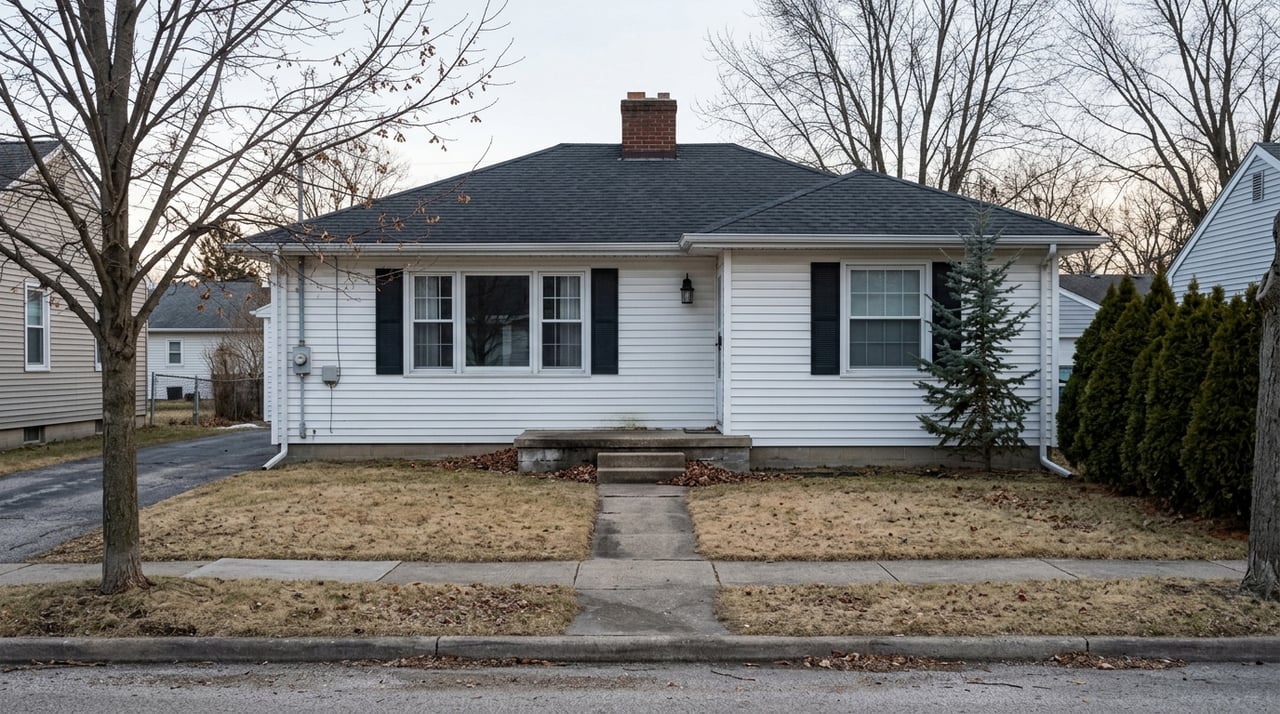
One of the first things you notice about Kalamazoo is that it supports more than one way of living. Owner-occupied housing makes up 42.3% of homes in the city, which means renting plays a major role in the local housing picture.
That matters if you are new to town or still learning what part of the city fits your routine. The renter-heavy mix can make it easier to test-drive your lifestyle before you buy, especially if you want to get a feel for commute patterns, downtown access, or how often you use parks and trails.
The numbers also give a useful snapshot of monthly costs. Median gross rent is $1,078, while median monthly owner costs with a mortgage are $1,298. The city’s median household income is $52,272, and the average household size is 2.25 people, which points to a housing mix that works for many smaller households and different budgets.
A shorter average commute changes more than your drive to work. It can mean more time for a morning coffee stop, an after-work trail walk, or an easier trip back out for dinner or an event.
In Kalamazoo, that compact rhythm is part of the appeal. The city is also easily accessible from I-94 and U.S. 131, so local trips and regional travel are fairly straightforward.
Kalamazoo Metro runs 21 fixed routes and serves Kalamazoo, Portage, Parchment, and nearby townships. The system reaches WMU, KVCC, the airport, Bronson, Borgess, Pfizer, and Stryker, and it logs more than 2.6 million rides per year.
That is important because it means transit here is not just a limited downtown loop. It connects to major employers, schools, healthcare destinations, and common daily stops.
Metro Connect adds another layer by offering door-to-door service within Kalamazoo County and connections into neighboring counties. For some residents, that can make day-to-day mobility more flexible than you might expect in a mid-sized city.
Downtown Kalamazoo has one of the clearest everyday patterns in the city: park once, then walk. Restaurants, coffee shops, boutiques, breweries, and public gathering spots are close together, which makes casual errands and social plans feel easy to stack into one outing.
If you like places where you can meet a friend, grab a drink, and stroll a few blocks without getting back in the car, downtown supports that lifestyle well. The downtown social district adds to that walk-around feel by allowing visitors to carry a drink from participating businesses while strolling in the district.
For many people, downtown functions as Kalamazoo’s clearest collection of everyday third places. The district includes more than 20 independently owned restaurants, specialty coffee, boutiques, and Bell’s Brewery, all within easy walking distance.
That concentration matters in daily life. Instead of treating coffee, lunch, and a quick stop into a shop as separate trips, you can often combine them into one easy downtown visit.
Coffee culture is part of that routine too. The downtown social-district map includes spots like Factory Coffee and Water Street Coffee Joint, which shows how coffee meet-ups and casual work sessions fit naturally into the city core.
Kalamazoo is not just about indoor destinations. The Kalamazoo River Valley Trail connects downtown to the Kalamazoo Nature Center, Mayor’s Riverfront Park, Verburg Park, and multiple shops and restaurants.
That makes outdoor movement feel built into regular life rather than reserved for special weekend plans. If you enjoy walking, biking, or breaking up the day with some time outside, the trail system adds real day-to-day value.
The city also maintains more than 30 parks through Parks & Recreation. That broad park network helps support everything from quick outdoor breaks to larger gatherings and routine recreation.
A big part of living somewhere is not flashy at all. It is whether trash gets picked up, streets are maintained, utilities work reliably, and public spaces feel cared for.
In Kalamazoo, Public Services handles water and sewer utilities, waste collection, streets, and forestry. Public Safety covers law enforcement, fire protection, and EMS, and the downtown area also has ambassadors on the streets seven days a week to help keep the core clean, safe, and welcoming.
Some cities feel lively only when a major festival comes to town. Kalamazoo has a different pattern. Its social life is supported by recurring public events that return throughout the year, which makes the city feel more lived-in and local.
That can be especially helpful when you are deciding whether a place fits your lifestyle long term. You are not just looking at one destination. You are looking at the rhythms that shape ordinary weeks and weekends.
Art Hop is one of Kalamazoo’s signature cultural events. It is free, takes place downtown and in surrounding neighborhoods, and centers on local artists and businesses.
Because it is map-based and walkable, it blends well with the city’s downtown pattern. You can make an evening of it without a lot of planning, which says a lot about how accessible the arts feel here.
Warm-weather months add another layer to everyday life. Beats on Bates brings free live music to Bates Alley on Wednesday evenings during the summer, and Concerts in the Park offers a free series in Bronson Park during June, July, and August.
That kind of repeatable schedule makes it easier to imagine your week here. Instead of asking, “What is there to do?” you start to see familiar options built into the season.
Kalamazoo keeps its event energy going beyond summer. Downtown seasonal anchors include Moonlight Madness, the Maple Hill Holiday Parade & Activities, and New Year’s Fest, which features live performances, a midnight ball drop, and fireworks.
Indoor culture also stays active. The Kalamazoo Institute of Arts offers free Thursday admission, extended hours, exhibitions, and event programming, giving you a reliable option when the weather pushes plans indoors.
If you are considering a move to Kalamazoo, the city tends to work well for people who want convenience, activity, and a manageable pace. You can build a routine around short commutes, useful transit, walkable downtown stops, and frequent public events.
For renters, that can make it easier to settle in and learn your habits before making a bigger purchase. For buyers, it can help you focus on what kind of daily pattern you want, not just square footage or list price.
The biggest takeaway is simple: Kalamazoo does not feel sleepy, but it also does not feel overwhelming. It offers a practical kind of livability, where coffee, parks, events, errands, and work can fit together without turning every day into a logistics project.
If you are trying to figure out where you would feel most at home in Kalamazoo, working with a local team can make that process much clearer. Adam Atwood can help you compare neighborhoods, rental options, and buying opportunities based on how you actually want to live.
Stay up to date on the latest real estate trends.
Partner with Atwood Properties Group for expert guidance in buying, selling, renting, or investing. Honest advice, seamless service, and local expertise you can trust every step.