Allegan Rental Market Guide For Small Landlords
July 16, 2026
July 16, 2026
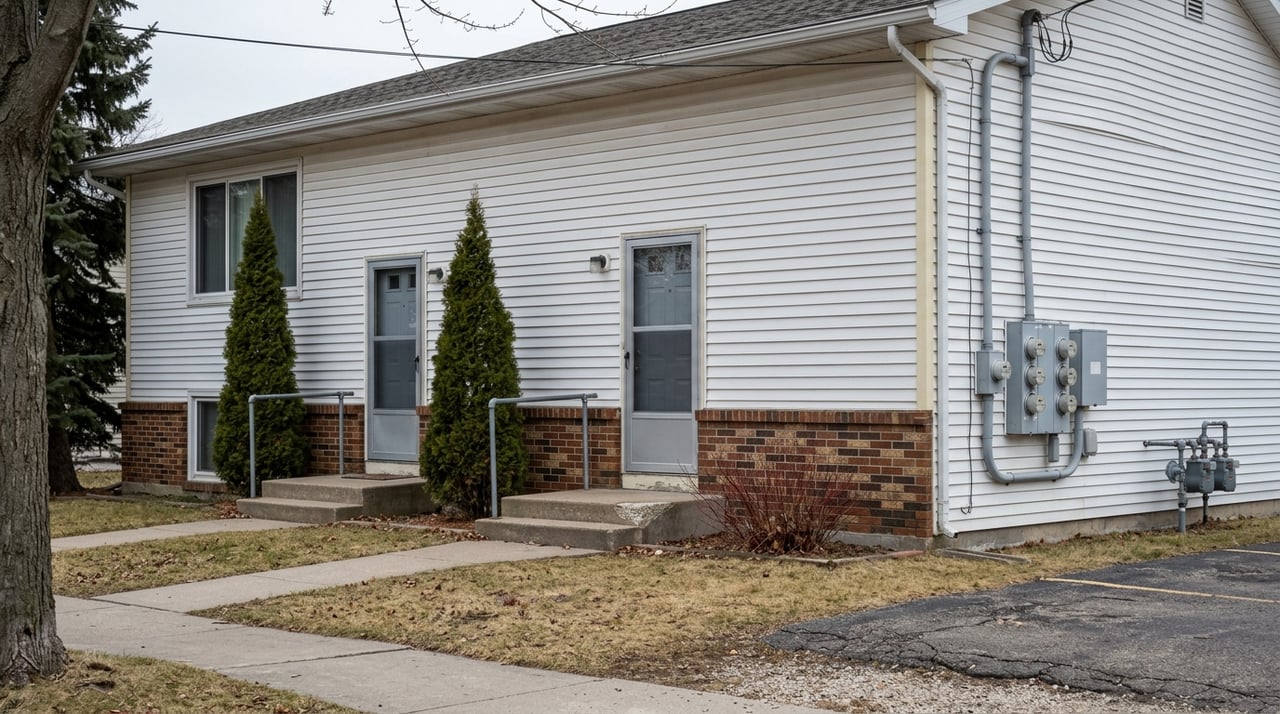
If you own one rental in Allegan, or you are thinking about buying your first one, the local market can look simple on the surface but feel complicated fast. You want solid demand, manageable expenses, and clear rules, but you also need to avoid costly surprises that can eat into cash flow. This guide breaks down what small landlords should know about Allegan’s rental market, from demand and unit types to city compliance and operating costs. Let’s dive in.
Allegan is a small market, but the city has a more meaningful renter base than Allegan County as a whole. In the City of Allegan, the owner-occupied housing rate is 68.7%, compared with 87.4% countywide, which points to a larger share of rental housing activity inside the city.
The city also skews younger than the county. Allegan’s median age is 33, while the county median age is 41.3. For a small landlord, that matters because a younger population can support steady rental demand, especially for practical, well-located, and affordable units.
Median gross rent in Allegan city is $1,115, which is close to the county figure of $1,100. Median household income in the city is $52,925, which is notably lower than the county’s $85,257, so affordability plays a major role in how units perform.
The local story is less about oversupply and more about affordability, turnover, and limited housing options. The county’s community health needs assessment reports that housing demand outweighs supply for both rentals and homes for purchase.
That same county report notes a 4,600-unit housing shortage and a two-year waitlist for subsidized housing. For small landlords, that suggests demand exists, especially for modest, functional rentals that meet local budget realities.
City residents are somewhat more mobile than county residents. About 11.1% of city residents moved in the prior year, compared with 6.2% countywide, but 88.9% of city residents still lived in the same house one year earlier. That points to a market where turnover happens, but stable tenancy is still very possible when a property is well maintained and priced correctly.
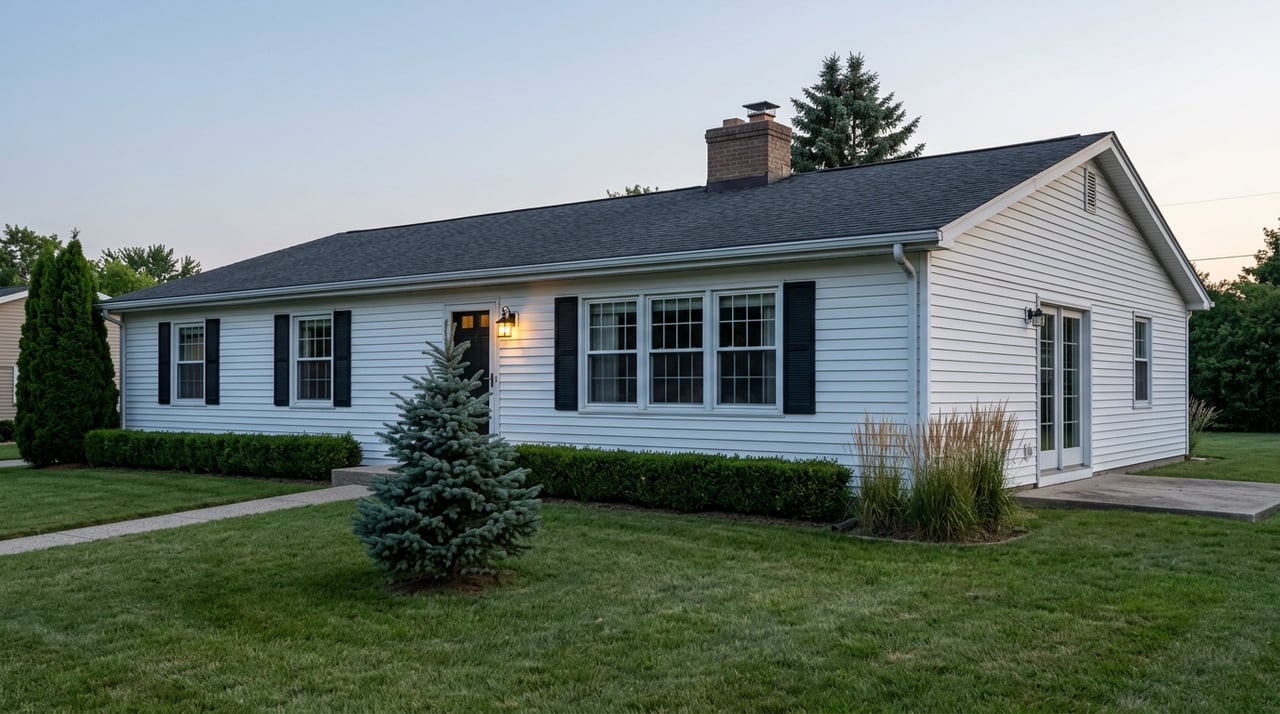
Most housing in and around Allegan is still made up of single-unit structures. In Allegan city, single-unit structures account for 72% of housing units, and countywide that figure rises to 81%.
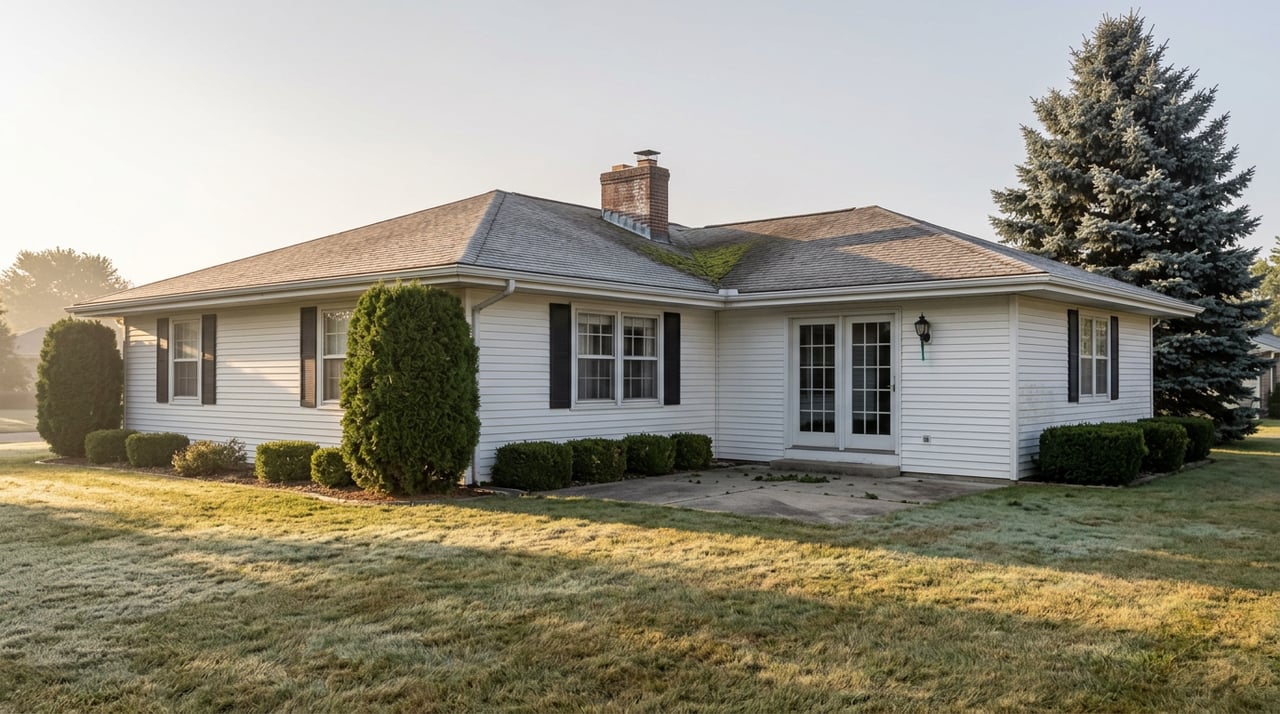
That makes detached houses the core rental product for many small landlords. Duplexes and small multifamily properties still matter, but they are more of a niche than the dominant format.
Mobile homes also make up 11.4% of county housing stock, which shows that lower-cost housing options are an important part of the broader market. If you are evaluating opportunities beyond the city itself, that wider housing mix can affect pricing, tenant expectations, and competition.
County household data suggests a market with many family-oriented households. Countywide, 32.2% of households have children, 21% are married couples with children, and 37.4% are married couples without children.
In the city, the average household size is 2.57, and 21.2% of residents are under 18. Combined with lower local incomes, this points to a practical split in renter demand.
Larger single-family homes and duplexes may appeal to households needing more space. Smaller apartments, lower-cost homes, and in-town units may attract singles, couples, and workforce renters looking for convenience and affordability.
Affordability is one of the biggest forces shaping Allegan’s rental market. According to the county assessment, 38.5% of renter households spend more than 30% of income on housing, and 15% spend more than 50%.
That means many renters are price sensitive, even in a market with limited supply. If your rent is out of step with local incomes, you may see longer vacancy, more turnover, or a smaller pool of qualified applicants.
On the flip side, clean and code-compliant units in realistic price ranges can be very competitive. The county also reports a shortage of smaller homes under 1,000 square feet, which may create opportunity for landlords offering efficient, modest-sized rentals.
A property that looks profitable on paper can feel very different once local operating costs show up. In Allegan, a few areas deserve extra attention before you buy or lease a unit.
Inside the City of Allegan, rental ownership comes with formal registration requirements. The city’s rental-registration ordinance requires registration and re-registration, and registrations are generally valid for three years.
The city also requires initial interior and exterior inspections. Owners must provide annual owner and occupant contact information, and renewals are due 30 days before expiration.
Most importantly, a unit cannot be leased or rented unless it is properly and currently registered. Complaint-driven inspections can also occur, so compliance is not something to treat as a one-time task.
Utility responsibility can affect your bottom line. Under city code, water and sewer charges are the owner’s responsibility unless the landlord meets specific lease, affidavit, and metering requirements that allow those costs to shift to the tenant.
For sewer in particular, the tenant escrow account must equal three months of sewer charges. If you assume tenants will simply pay these bills directly without meeting the city’s requirements, your underwriting may be off.
The city also requires owners or managers to provide for garbage collection. That is another recurring expense to include when you estimate monthly carrying costs.
Maintenance matters in every market, but local code enforcement can make neglected issues more expensive. Allegan’s blight rules allow the city to abate violations and bill the cost back to the owner, plus a 25% administration fee.
For small landlords, this is a strong case for routine exterior checks, fast repairs, and clear tenant communication. Deferred maintenance does not just affect curb appeal. It can become a direct financial hit.
Michigan property taxes are not one-size-fits-all. Millage rates can vary based on the local unit, school district, county, and special levies.
That means two similar-looking properties can carry meaningfully different tax burdens depending on the address and classification. Before you buy, underwrite taxes at the parcel level rather than using a broad market estimate.
A good Allegan rental usually works because the numbers and the operations both make sense. It is not enough to look at rent alone.
Use a simple checklist when reviewing a property:
This kind of review can help you avoid buying a property that looks inexpensive upfront but becomes harder to operate over time.
In a market like Allegan, steady performance often comes from practical decisions rather than flashy upgrades. The strongest approach is usually to provide safe, functional housing that fits local incomes and is easy to maintain.
A few strategies stand out:
Because affordability is such a major factor, your best return may come from improvements that reduce maintenance and keep the unit appealing without over-improving it. Durable flooring, reliable mechanicals, and clean kitchens and baths often matter more than high-end finishes.
Think carefully about who the property fits. A larger house may attract a household looking for extra bedrooms and yard space, while a smaller in-town unit may perform best for singles, couples, or workforce renters.
Limited supply can tempt landlords to push rents aggressively. But in a market where many renters are already cost-burdened, pricing too high can work against you.
A realistic rent supported by the property’s condition and local budget realities may produce better long-term results than chasing the top possible number.
In Allegan, registration, inspections, utility rules, and blight enforcement are all part of the operating picture. Landlords who stay organized and proactive are in a much stronger position than those who react after a problem appears.
Small landlords often do well when they combine market knowledge with operational discipline. In Allegan, that means understanding not only what a unit might rent for, but also how city rules, taxes, and upkeep can shape the actual return.
If you are buying your first rental, expanding a small portfolio, or deciding whether to keep or sell a property, local guidance can save time and reduce risk. A hands-on team can help you look beyond listing price and think through the full picture, from acquisition to leasing to long-term management.
If you want practical help evaluating rentals, managing a property, or planning your next investment step in Southwest Michigan, connect with Adam Atwood.
Stay up to date on the latest real estate trends.
Partner with Atwood Properties Group for expert guidance in buying, selling, renting, or investing. Honest advice, seamless service, and local expertise you can trust every step.