Thinking about buying a duplex near Western Michigan University but not sure where to start? You are not alone. The WMU area draws steady renter demand, yet it comes with its own rules, timelines, and property quirks. In this guide, you will learn how the local market works, what to check before you buy, and how to set up a duplex for reliable cash flow in Kalamazoo. Let’s dive in.
Why duplexes near WMU work
Student demand drives the rental market around WMU. You will see the most leasing activity in late spring through summer for fall move-ins. This seasonal rhythm can support strong occupancy, especially if your property is within walking or biking distance of campus.
Proximity to WMU is the premium. Close-in blocks tend to fill faster, but they can also see higher turnover and more wear. Aligning your leases with the academic calendar and setting clear maintenance routines can balance those trade-offs.
Nearby employers in downtown Kalamazoo and medical centers add a secondary layer of demand. That helps reduce summer vacancy if you market to a broader audience, including graduate students and young professionals.
Where to focus near campus
- Within 0.5 mile: Walkable. Highest demand potential and strongest pre-leasing for fall. Expect older homes, smaller units, and limited parking.
- 0.5 to 1 mile: Bikeable. Often a good value on price-to-rent. Slightly lower turnover pressure than the closest blocks.
- 1 to 2 miles: Short drive. Can appeal to non-student renters and staff. Parking tends to be easier, which can support retention.
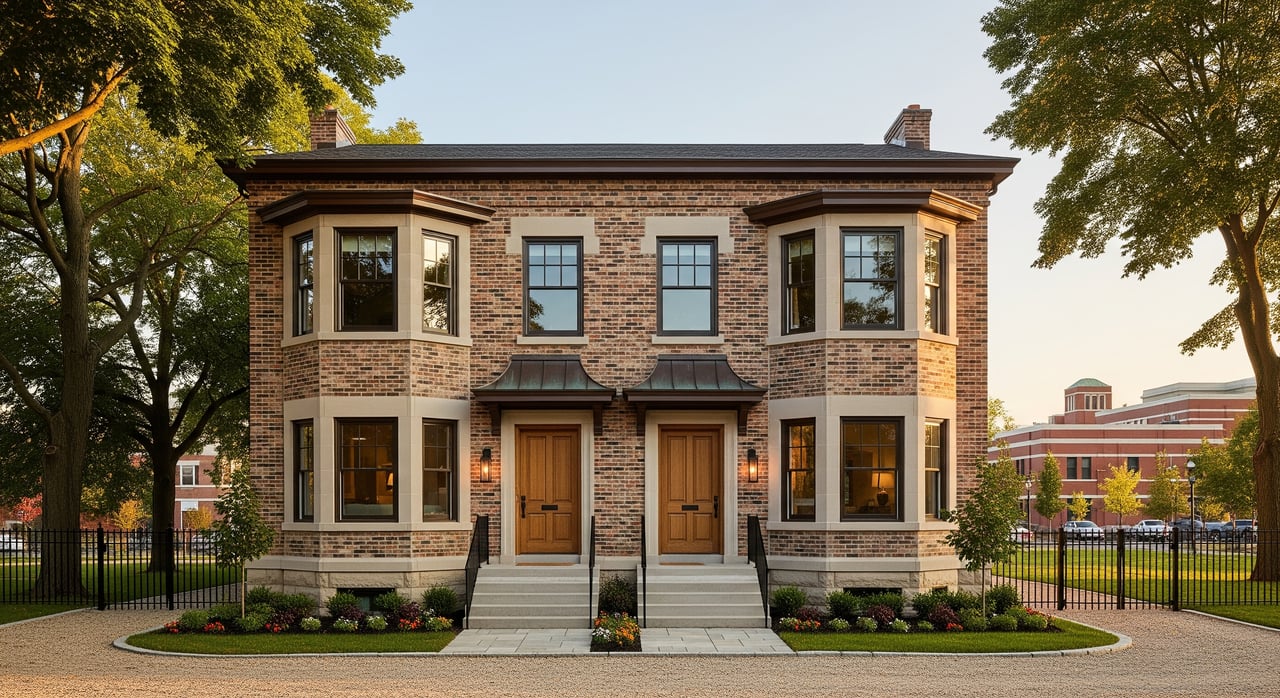
Typical housing stock includes older single-family homes converted into duplexes, small purpose-built multifamily, and row-style houses. Plan for older systems and finishes, and budget for upgrades that handle higher traffic.
Know the local rules first
Before you write an offer, confirm what is allowed at the specific address.
- Zoning and use: Duplexes can be permitted in many residential districts, but parcel-level rules vary. Ask the City of Kalamazoo about permitted uses, parking minimums, and any occupancy limits.
- Overlays and districts: Properties near campus may sit in special or historic districts with extra requirements. Check before you plan exterior changes or added units.
- Rental registration and inspections: Many college-town markets require rental licensing or periodic inspections. Confirm with City code enforcement whether your duplex needs a certificate of compliance.
- Safety and disclosures: For pre-1978 buildings, federal law requires lead-based paint disclosures. Michigan also sets rules for smoke detectors and carbon monoxide alarms. Verify all life-safety standards apply to your property.
For legal compliance and lease language, consult an attorney familiar with Michigan landlord-tenant law. You should also verify property tax history and any special assessments with Kalamazoo County.
Financing paths for duplex buyers
You can approach duplex financing in a few ways, depending on whether you live in one unit.
- Owner-occupied loans: Conventional or certain government-backed options can apply if you reside in one unit. These products often offer lower rates and down payments than non-owner-occupied loans. Ask lenders about current guidelines for 2-unit properties, including FHA options.
- Investor loans: Conventional investment mortgages, portfolio loans from local banks, or small-balance commercial products are common. Expect higher down payments and different underwriting.
Always confirm current terms with local lenders, since product rules change.
Taxes and how to measure returns
Rental income is taxable, but many costs are deductible. Typical deductions include mortgage interest, property taxes, insurance, maintenance, utilities you pay, management fees, and depreciation. Advanced strategies like cost segregation and 1031 exchanges may apply for longer-term investors. Work with a CPA who handles Michigan rentals.
When you underwrite a duplex near WMU, evaluate:
- Gross rent and a vacancy allowance that reflects the academic calendar.
- Operating expenses, including management and a repair reserve for student wear-and-tear.
- Net Operating Income (NOI) and cap rate, based on NOI divided by purchase price.
- Cash-on-cash return after financing costs.
Use real rental comps for 1 to 2 bedroom units near campus and include a realistic maintenance buffer. Small duplexes often run a higher expense ratio than larger buildings due to turnover and unit-level maintenance.
How to pick the right duplex
Focus on features that matter to WMU renters and that reduce friction for you.
- Layout and sizes: 1-bedroom and 2-bedroom units rent well to students and young professionals. Separate entrances and in-unit laundry are strong pluses.
- Utilities: Separate gas and electric meters simplify billing and align costs with usage.
- Parking: Off-street spots or designated spaces increase rentability, especially for non-student renters or graduate students.
- Mechanical systems: Inspect HVAC, roof, electrical, and plumbing. Older buildings can hide high-cost surprises.
- Security and lighting: Solid exterior lighting, secure locks, and well-kept common areas make a strong first impression.
Rent-ready upgrades that pay off
Target practical, durable improvements that fit near-campus use.
- Durable finishes: Laminate or engineered flooring and resilient counters handle turnover better.
- Connectivity: Strong, reliable internet infrastructure is a top amenity for student renters.
- Laundry: In-unit or upgraded shared laundry helps retention and rent.
- Comfort and control: Efficient heat and AC with easy-to-use thermostats matter during Michigan winters.
- Storage and bikes: Safe bike storage and a clean, organized entry add value.
If you offer furnished or partially furnished units, plan a replacement schedule. Furnishings can justify higher rents but will raise maintenance costs.
Lease strategy for student demand
Match your lease terms to the academic cycle when you target WMU renters.
- Timing: Many owners end leases in July or August to turn units before fall. That keeps vacancy aligned with peak demand.
- Guarantors: Students often have parent guarantors. Use a standard guaranty form and consistent screening for all adult applicants.
- Utilities: Decide whether you roll utilities into rent or have tenants pay directly. Separate metering usually reduces admin work and surprise bills.
- Furnished vs unfurnished: Furnished units can lease faster to students who want turnkey housing. Unfurnished units may attract longer-term renters.
Screening, compliance, and fairness
Use consistent screening criteria for every applicant. Common elements include credit checks, rental history, and income verification. Follow federal, state, and local fair housing laws, and avoid policies that could have discriminatory effects. When in doubt, consult an attorney and align your criteria with industry standards.
Turnover and maintenance planning
Expect concentrated turnover in late spring and early summer. Plan ahead so you are not scrambling.
- Schedule vendors early for cleaning, painting, and repairs.
- Service HVAC and check roofs and gutters before winter.
- Winterize vacant units to prevent freeze damage.
- Keep a move-in and move-out checklist to document condition and reduce disputes.
Property management options
You can self-manage if you are local and hands-on, or you can hire a property manager with student rental experience. A good manager can cut vacancy, improve renewal rates, and keep you compliant with city rules. Evaluate managers on screening processes, fee structure, maintenance response times, and knowledge of WMU’s leasing cycle.
Common risks and how to reduce them
- Higher turnover and wear: Use durable finishes and clear house rules. Charge appropriate deposits as allowed by Michigan law.
- Seasonal vacancy: Stagger lease expirations, consider summer rentals, or market to non-student renters to bridge the gap.
- Neighbor complaints: Set noise policies and enforce them. Good communication and property care go a long way.
A simple due diligence checklist
Market checks:
- Review WMU enrollment trends and on-campus housing capacity to gauge off-campus demand.
- Pull rental comps for 1 to 2 bedroom units within 0.5, 1.0, and 2.0 miles of campus.
- Speak with local property managers and nearby owners for real vacancy and rent data.
Property and physical checks:
- Order a full inspection of HVAC, roof, electrical, plumbing, and structure.
- Verify separate utility meters, parking, and appliance condition.
- For pre-1978 buildings, assess for lead-based paint and other hazards.
Legal and municipal checks:
- Confirm zoning and permitted use with the City of Kalamazoo.
- Verify whether rental licensing or a certificate of compliance is required.
- Review property tax history and any special assessments with Kalamazoo County.
Financial and tax checks:
- Get historical P&L, utility bills, insurance, and maintenance records when available.
- Run a conservative pro forma that includes seasonal vacancy and a repair reserve.
- Consult local lenders on financing options and a CPA on tax treatment.
Your next step
Duplexes near WMU can deliver steady occupancy and flexible returns if you buy with eyes open and operate with a student-savvy plan. The key is local due diligence, realistic underwriting, and smart unit setup that stands up to turnover.
If you want a hands-on partner from search to lease-up, Atwood Properties Group combines local brokerage, renovation expertise, and full-service property management under one roof. Let’s talk through your goals and build a plan that fits your budget and timeline. Connect with Adam Atwood to get started.
FAQs
Is house hacking a duplex near WMU a good idea?
- It can be effective because owner-occupant loans often have favorable terms, and rent from the second unit can offset your payment. Confirm current loan rules with lenders and align your lease with the academic year.
How much more rent does walk-to-campus command near WMU?
- Rents often reflect proximity, with walkable units leasing faster. Check up-to-date comps within 0.5, 1.0, and 2.0 miles of campus to set expectations and plan your pro forma.
Do I need a rental license for a duplex in Kalamazoo?
- Many college towns require licensing or inspections. Confirm with the City of Kalamazoo code enforcement department whether your specific property needs registration or a certificate of compliance.
What leases work best for student renters at WMU?
- Fixed terms that end in July or August align with the academic cycle. Many owners use guarantors for students and apply the same screening standards to all adult occupants.
What are typical operating expenses for small duplexes?
- Small residential rentals often run higher expense ratios due to turnover and unit-level maintenance. Include management, repairs, reserves, and a seasonal vacancy allowance when calculating NOI and cap rate.
Which upgrades produce the best return near WMU?
- Durable flooring, strong internet infrastructure, secure locks, in-unit or upgraded laundry, and efficient heat and AC are common high-ROI improvements for near-campus rentals.