Living In Downtown And Historic Kalamazoo
February 5, 2026
February 5, 2026
Trading long commutes for a walk to your favorite café sounds pretty good, right? If you want an urban vibe with a strong arts scene and tree-lined historic streets, downtown Kalamazoo and the nearby historic neighborhoods might fit you well. You likely have questions about housing styles, daily convenience, and what to watch for with older homes. This guide gives you a clear, practical overview so you can decide if this part of Kalamazoo matches your lifestyle and goals. Let’s dive in.
Downtown Kalamazoo centers on Bronson Park, the Kalamazoo Mall, and Arcadia Creek Festival Place. Just beyond the core, you’ll find compact historic neighborhoods built in the late 19th and early 20th centuries. These areas sit within 1 to 2 miles of the center, so many daily needs are a quick walk or bike ride.
The feel is energetic and urban-leaning. You’ll see professionals, students and staff connected to Western Michigan University and Kalamazoo College, families who value neighborhood schools and the Kalamazoo Promise, and retirees who want a smaller home with walkable amenities. Evenings and weekends bring steady activity along dining and entertainment corridors.
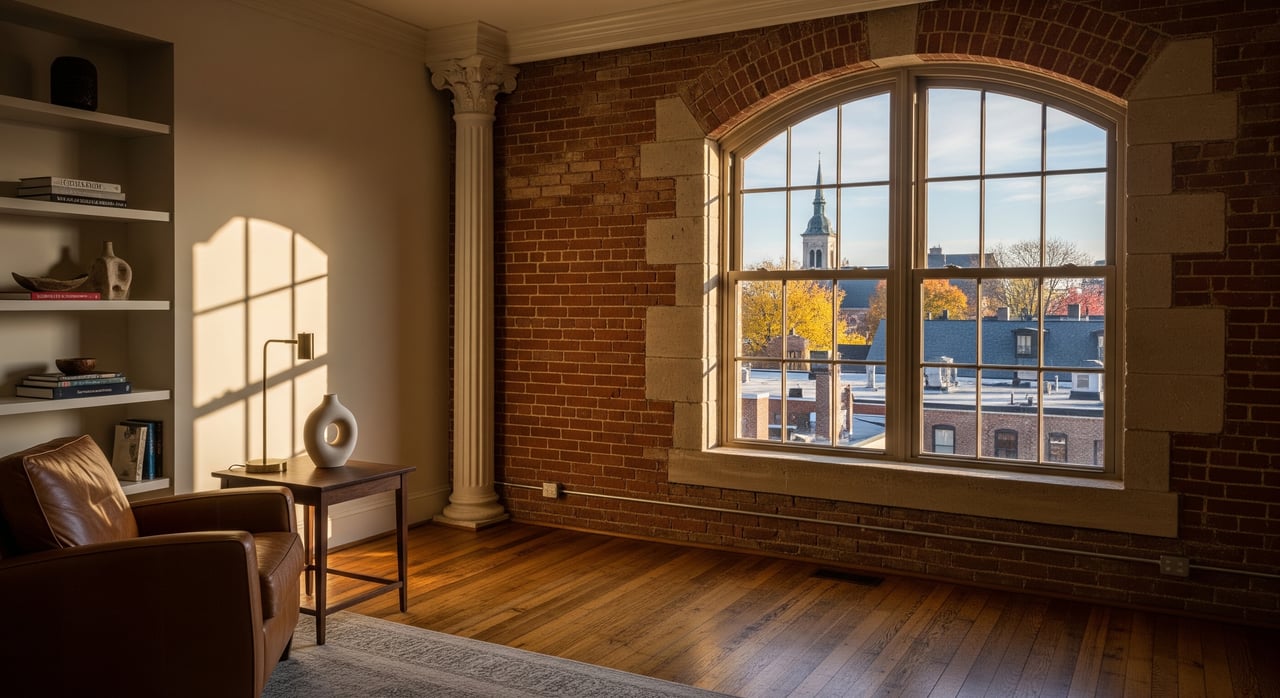
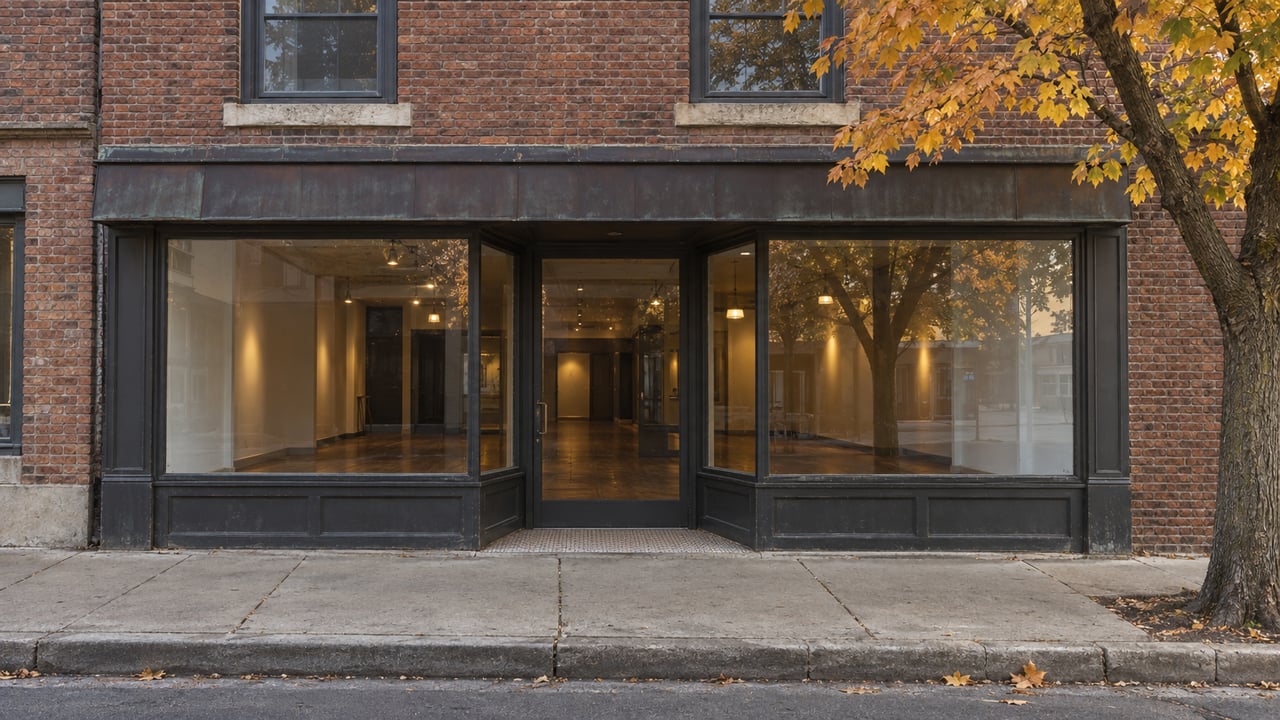
Downtown living centers on condos and apartments. You’ll find loft-style units in converted commercial buildings, mid-rise condos, and mixed-use buildings with shops at street level and homes above. These buildings often trade square footage for location and convenience.
Ownership forms vary. Expect a blend of owner-occupied condos, rental units, and mixed buildings within a few blocks of each other. Monthly costs depend on HOA dues, parking arrangements, and recent building updates.
Just outside the core, historic streets offer Queen Anne and Victorian details, American Foursquare homes, Colonial Revival designs, Craftsman bungalows, and brick cottages. Mature trees, porches, and modest front yards create a classic streetscape. Lots are smaller than in suburban areas, and streets can be narrower, which is part of the charm for many buyers.
These homes often feature original woodwork, tall windows, and period character. Many have seen system upgrades over time, but the scope and quality of renovations vary by property.
Prices, inventory, and days on market shift with regional trends and local demand linked to the universities and the Kalamazoo Promise. For up-to-date numbers on median sale price, price per square foot, and inventory, review current reports from the local MLS and county property records. For rental comparisons, look to local listings and property management data, then confirm details block by block.
Historic homes reward you with character, but they also call for ongoing care. Common items include roofing, plumbing and electrical updates, insulation, window restoration or replacement, and foundation evaluations. Energy efficiency can vary depending on retrofit work.
If a home sits in a designated historic district or overlay, exterior changes may require design review. Before you plan a porch rebuild or window project, check City of Kalamazoo historic-preservation guidelines and permit requirements. For condos, study HOA rules, reserve funds, and any history of special assessments before you commit.
The downtown core and nearby historic blocks are compact and pedestrian friendly. Sidewalks and short blocks make errands simple, and bike lanes and multi-use trails serve both commuters and recreational riders. If you want to live car-light, this is a strong setting to test it.
Kalamazoo’s arts scene is a highlight. You can explore exhibitions and classes at cultural institutions, attend touring performances, and enjoy regular programming from local arts groups. Downtown also hosts festivals and seasonal events that bring music, food, and street activity throughout the year.
Independent restaurants, cafés, brewpubs, and bars cluster around downtown streets. Grocery options and everyday retail are available in or just beyond the core, and specialty shops line the main corridors. Weeknights can be quiet on some blocks, while weekends tend to feel lively near entertainment hubs.
Bronson Park provides a central green, and Arcadia Creek Festival Place offers an open setting for gatherings and events. Riverfront and trail access are nearby for longer walks and bike rides. In the historic neighborhoods, mature trees and small pocket parks add to the residential feel.
Metro Transit operates local bus routes with downtown hubs, which makes citywide commuting straightforward if you prefer not to drive. For regional trips, Amtrak serves Kalamazoo with routes along the Chicago and Detroit corridors. If you fly, Kalamazoo/Battle Creek International Airport is the closest commercial option, with Detroit Metro and Chicago O’Hare within driving distance for more routes.
Street parking, municipal ramps, and private garages are common downtown. Availability depends on the exact block and building. Some residences include assigned spaces, while others rely on permits or paid parking. If parking is important, confirm your options during showings and at different times of day.
Choosing between a downtown condo and a historic home comes down to lifestyle:
Use this quick list as you compare properties:
Kalamazoo Public Schools and private options serve the downtown and near-downtown area. School boundaries and offerings can change, so verify details that matter to you directly with the district or schools.
The Kalamazoo Promise is a well-known scholarship program for eligible in-district students. Families often factor this into long-term planning, and it contributes to steady housing demand in the city. If the Promise is part of your decision-making, confirm current eligibility guidelines and enrollment steps with official sources.
Downtown and near-campus neighborhoods see consistent rental interest shaped by the presence of Western Michigan University and Kalamazoo College, along with demand for downtown apartments. Returns depend on purchase price, rent levels, occupancy, and operating costs like taxes, utilities, and maintenance.
If you are weighing a duplex, small multi-family, or a condo for long-term rental, review local landlord regulations and any short-term rental rules that may apply. For historic single-family rentals, budget for preventive maintenance so you protect both the property and cash flow over time.
Market conditions shift. For live pricing and trend data, review the latest local MLS reports for median sale prices, days on market, and inventory. Pair those with Kalamazoo County property records for tax references and recent sale comps. For walkability, consult current ratings and the city’s pedestrian and bike plans. For safety context, compare Kalamazoo Public Safety maps with neighborhood association updates and evaluate patterns block by block.
If you want art, culture, and convenience in a small-city package, downtown Kalamazoo and the surrounding historic neighborhoods deliver. You can choose a lock-and-leave condo a short walk from venues or a character-rich home on a leafy street. With the right due diligence, you can match your lifestyle, budget, and long-term plans with a property that feels like home.
Ready to explore listings, renovation options, or rental strategies with a team that knows these streets well? Connect with Adam Atwood for local guidance backed by brokerage, building, and property-management expertise.
Stay up to date on the latest real estate trends.
Partner with Atwood Properties Group for expert guidance in buying, selling, renting, or investing. Honest advice, seamless service, and local expertise you can trust every step.