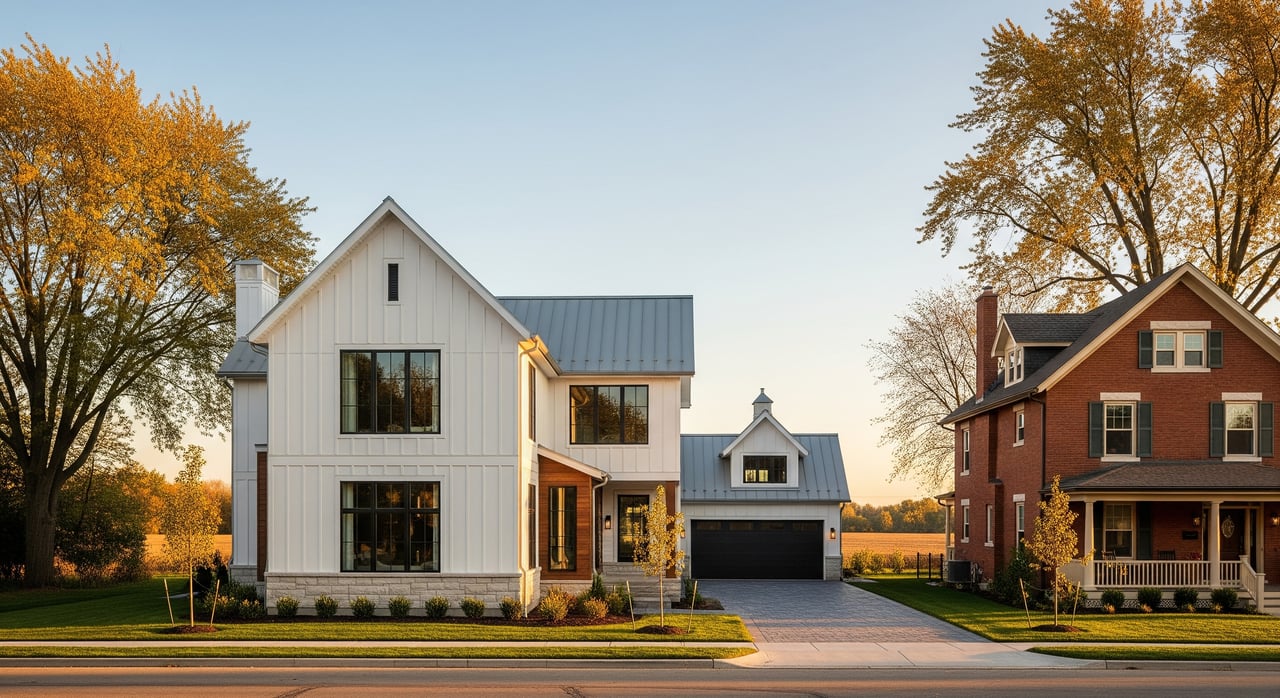
Otsego New Construction vs. Existing Homes
January 8, 2026
January 8, 2026
Thinking about a move but torn between a brand-new build and an existing home in Otsego? You are not alone. The decision touches everything from your budget and timeline to utilities, inspections, and resale. In this guide, you will learn the tradeoffs in plain English so you can choose with confidence. Let’s dive in.
In Otsego and greater Allegan County, your experience can vary depending on whether a property sits inside city limits or in Otsego Township or nearby townships. That affects utilities, zoning, taxes, and permits. It also shapes which inspections you need and who oversees them.
Michigan uses statewide building codes that local offices administer. Expect permits and inspections at key stages. Some homes have city water and sewer. Others rely on private wells and septic systems. That difference matters for your upfront costs, long-term maintenance, and financing.
Choosing between new construction and an existing home is not just about the sticker price. It is about total cost of ownership.
New homes often carry a higher price per square foot. You are paying for modern materials, current labor costs, and builder overhead. If you buy a builder’s spec home on a builder-owned lot, that price usually wraps in the land, basic site work, and the structure.
If you build on your own lot, plan for additional line items. Site prep, grading, driveway, utility extensions, and septic or well can add up. Permits and inspections are part of the process. Also budget for landscaping and exterior finishes that may be minimal at closing.
Upgrades and change orders can move the number quickly. Cabinets, counters, flooring, and lighting often have a base level. Many buyers choose to upgrade. Build a realistic allowance for selections so you are not surprised.
Existing homes may come at a lower price per square foot. The tradeoff is potential near-term repairs. Older roofs, HVAC, windows, or plumbing might need attention soon. A thorough home inspection and careful review of seller disclosures will help you budget for these items.
The upside is you can see what you are getting on day one. You can also negotiate seller credits or repairs during your inspection window. This can help you manage cash outlay after closing.
Property tax assessments are handled locally and through county equalization. New builds can change assessed value. Timing and how taxable value is set after construction is completed depend on local practices. City or township assessing offices and Allegan County Equalization can explain how assessments work and when changes take effect.
Some areas use special assessments for improvements like roads, sidewalks, or utilities. Ask early if a subdivision or private road carries future assessments that will affect your budget.
Existing homes fit standard mortgage products. Conventional, FHA, VA, and USDA options are common. Underwriting and appraisals follow well-known steps.
New construction is different. You might use a construction-to-permanent loan with one closing, a short-term construction loan that converts later, or a builder-arranged option. These loans use draw schedules and require inspections at milestones before funds are released.
If you are eligible, programs through state or federal agencies may help. Options can include low down payments or assistance, and some rural properties may be eligible for specific loan products. Confirm lender capability early, especially for construction financing.
For new homes, appraisals are based on plans, specs, and comparable new sales. If you are building a custom home where comps are limited, the appraisal can be more complex. Lenders may ask for detailed plans, finish schedules, and a firm budget.
Construction loans usually charge interest only on the amount drawn during the build. Rate locks for the permanent mortgage should be discussed before you sign. Delays can affect lock windows, so ask about options if construction runs long.
Start with utilities. Is the lot connected to municipal water and sewer, or will you rely on a private well and septic system? This decision has long-term implications. Municipal connections simplify some maintenance. Private systems require regular care and periodic testing.
For septic, a soil evaluation or perc test is common for new builds. County health departments oversee approvals and will specify system type and location. For private wells, expect water quality testing and permitting. Factor these steps into your timeline and budget.
Clarify whether roads are public or private and who maintains them. In new neighborhoods, ask about any planned assessments for paving or sidewalks. Also review drainage, wetlands, and stormwater requirements. Building near low-lying areas or water may trigger extra permits and engineering.
Local offices in the city or township, along with Allegan County, administer permits and inspections. Expect required checks at footings, framing, mechanical, plumbing, and final. Fees and timelines vary by jurisdiction, so verify before you start.
Municipal inspections focus on code compliance. They do not replace a buyer’s independent inspection. Consider a pre-drywall inspection to catch framing, electrical, and plumbing issues before walls are closed. A final inspection helps confirm finishes and mechanical systems.
Most builders offer limited warranties. A common pattern includes one year for workmanship and materials, two years for major systems, and ten years for structural coverage. Always get warranty terms in writing and understand how to submit claims.
Be clear on how your deposit is held and what happens if delays occur. Review contract language on completion dates, remedies, and how change orders are priced. Consider legal review for custom builds or complex contracts.
For existing homes, schedule a general home inspection. Add specialty tests as needed, such as radon, well and septic evaluations, or pest inspections. Use findings to negotiate repairs or credits, and to plan your maintenance budget for the first few years.
New homes often include tighter building envelopes, better insulation, efficient windows, sealed ductwork, and modern HVAC. These features can reduce operating costs. Some builders provide energy ratings or third-party certifications. Ask for documentation, and consider it in your total cost comparison.
Resale value depends on fundamentals. In Otsego, factors like location, lot quality, everyday functionality, and neighborhood fit tend to outweigh whether a home is new or older. A practical floor plan and well-maintained systems help both new and existing homes hold value.
An existing home typically closes in 30 to 60 days, depending on financing and contingencies. You can move in quickly and tackle updates on your own schedule.
New construction usually takes months, sometimes up to a year, depending on weather, materials, labor, and permitting. Plan for interim housing or temporary financing. Build in contingency time for delays and confirm how a builder communicates schedule changes.
Choose new construction if you want modern design, energy-efficient systems, and minimal near-term maintenance, and you have the time and budget for a build. Choose an existing home if you prefer faster move-in, a potentially lower price per square foot, and the ability to improve over time.
Questions to ask yourself:
You do not need to navigate this alone. With nearly two decades in Southwest Michigan and experience across brokerage, building, and property management, our team helps you weigh the tradeoffs, verify utilities and permitting, vet builder contracts, and line up the right financing path. We also help sellers position their homes to compete with new construction.
If you want a grounded strategy tailored to Otsego and Allegan County, reach out. We are here to walk you through the numbers, the process, and the local nuances so you can move forward with clarity.
Ready to compare options and timelines side by side? Connect with Adam Atwood for a straightforward plan that fits your goals.
Stay up to date on the latest real estate trends.
Partner with Atwood Properties Group for expert guidance in buying, selling, renting, or investing. Honest advice, seamless service, and local expertise you can trust every step.