Trying to decide between a home in Kalamazoo or Portage? You are not alone. Both cities sit minutes apart in Kalamazoo County, yet they offer different price points, tax structures, school programs, commute patterns, and day‑to‑day amenities. In this guide, you will see clear, local comparisons so you can match your budget and lifestyle to the right address. Let’s dive in.
Quick snapshot: Kalamazoo vs Portage
- Population: Kalamazoo is about 73,300; Portage is about 50,000. These are city‑limits estimates and help frame market size and services.
- Typical home values: Zillow’s Home Value Index (ZHVI) shows Portage around $284k and Kalamazoo around $229k as of Jan 2026. Median sale prices from other sources can differ by method and time window.
- Owner‑occupancy and income: Portage’s owner‑occupied share is roughly 69% with a median household income near $83k, while Kalamazoo’s owner‑occupied share is about 42% with a median income near $52k, per Census QuickFacts. Portage QuickFacts provides helpful context.
- Commute times: Average one‑way travel is modest in both cities, about 19.7 minutes in Portage and 18.5 minutes in Kalamazoo.
Home prices and what they mean
ZHVI vs median sale price
Zillow’s Home Value Index (ZHVI) estimates typical home values using a smoothed model. As of Jan 2026, the ZHVI is about Portage $284k and Kalamazoo $229k. Median sale price, often reported by market trackers that focus on recent closings, can be higher or lower in a given month. In late 2025 snapshots, Portage’s median sale price ran higher than Kalamazoo’s. The key takeaway: use both a modeled value trend and recent sales to understand what similar homes are trading for right now.
What you get in each market
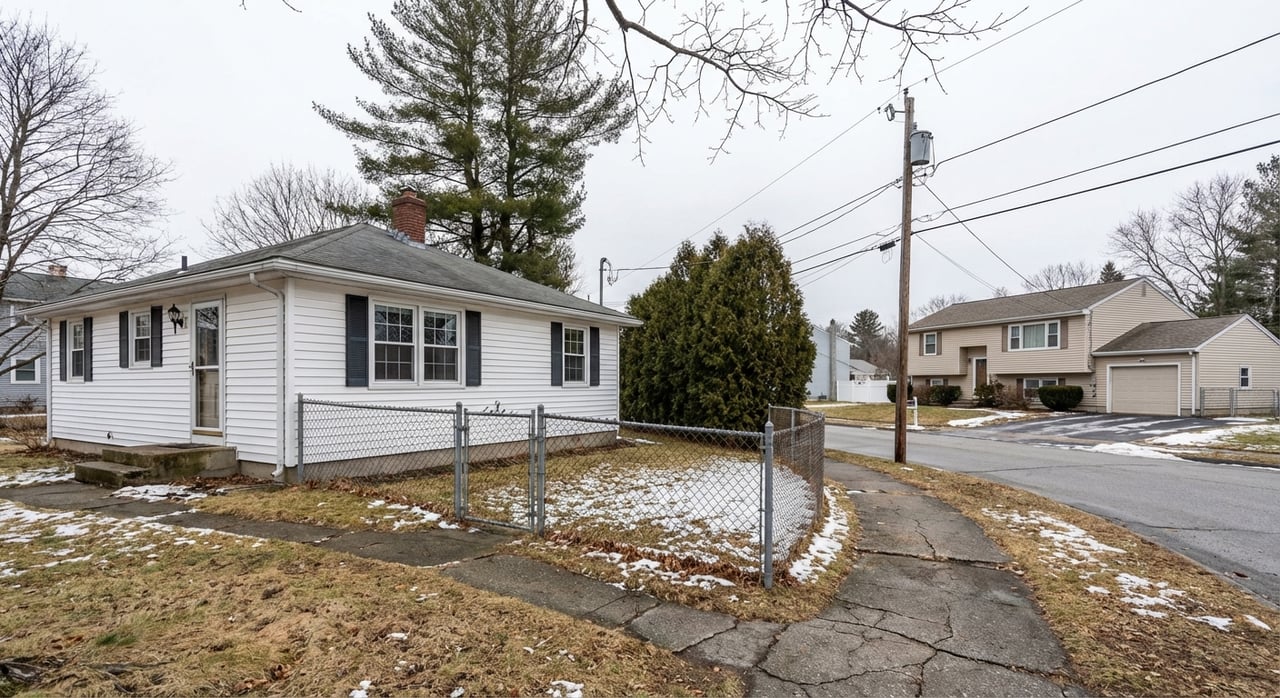
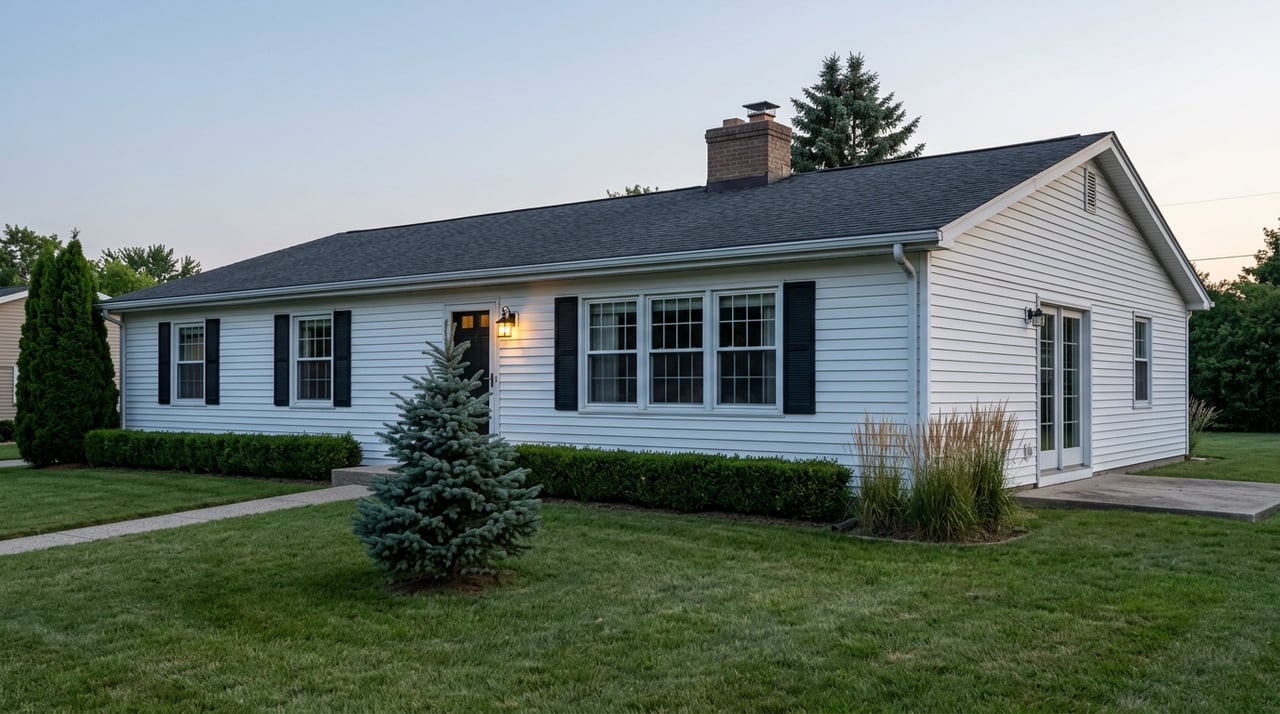
- Portage: Suburban neighborhoods with a larger share of single‑family homes and higher owner‑occupancy. Expect options across classic subdivisions and newer builds. Inventory and list prices vary by pocket and school boundary.
- Kalamazoo: A wider mix of housing types, from downtown condos to older single‑family neighborhoods and student‑oriented areas near Western Michigan University. Expect more price variety between blocks and subareas.
If you want a property‑specific view, ask for a micro‑market read by neighborhood or ZIP. A targeted comp set will show you what is moving and at what price point today.
Property taxes and your true carrying cost
How Michigan property taxes work
Your tax bill is built from multiple millages: county, city, school, and sometimes special districts. Two homes with the same price can have different bills because of different overlapping millages and taxable values. A county tool is the best way to see the likely total for any address.
City millages: key differences to know
- Kalamazoo: The city’s budget highlights the Foundation for Excellence, which has reduced the city’s general property tax levy to a 12.0000‑mill headline. This is a city component only. School and other district millages still apply. You can read the city’s explanation in its budget and finance materials.
- Portage: The city publishes its millage breakdown in its annual budget materials. Review current budget pages for operating components and services tied to the levy. When comparing two homes, always run each address through the county estimator above.
Estimate your bill in minutes
- Pick a target home price and estimate taxable value.
- Use the county estimator to plug in the parcel or scenario and note the annual total.
- Add this to your projected mortgage, insurance, and utilities to understand your monthly carry.
Schools and programs
School fit often drives the final decision. Always confirm the attendance boundary for a specific address and check program availability at the school and district level.
Portage Public Schools overview
Portage Public Schools reports about 8,800 students and operates two traditional high schools, Portage Central and Portage Northern. District materials cite a four‑year graduation rate of about 95% for traditional high school graduates. The district has offered IB programming at the high school level historically; verify current options and boundaries on the Portage Public Schools site.
Kalamazoo Public Schools and the Kalamazoo Promise
Kalamazoo Public Schools operates multiple elementary, middle, and several high schools. A signature benefit is the Kalamazoo Promise, a locally funded scholarship program that can cover up to 100% of tuition at eligible Michigan public colleges and certain private institutions for qualifying KPS graduates. Eligibility depends on factors like years of continuous enrollment and residency. Start with the district’s pages and program links on the Kalamazoo Public Schools site, then check school‑level reports and visit campuses.
How to verify your school fit
- Confirm the address’s attendance boundary with the district.
- Review the district’s Annual Education Report and MI School Data for achievement trends.
- Ask about specific programs that matter to you, like IB, CTE, dual enrollment, or magnet options.
Commute, transit, and access
Drive times and highways
Average one‑way commute times are similar and modest: about 19.7 minutes in Portage and 18.5 minutes in Kalamazoo. Portage residents often lean on regional driving, with quick access to I‑94 and US‑131 and proximity to the Kalamazoo/Battle Creek International Airport. Downtown Kalamazoo residents who work downtown or on campus may have very short trips.
Public transit basics
Kalamazoo Metro runs fixed routes across key corridors in Kalamazoo County and serves Portage nodes. Frequency and hours vary by route, so check timetables before you plan a transit‑based routine. Get started with maps and service details from Kalamazoo Metro.
Lifestyle anchors and amenities
Kalamazoo: urban and college‑town energy
Kalamazoo’s downtown and campus areas host a dense calendar of arts, music, and events tied to Western Michigan University and Kalamazoo College. You will find museums, performing arts venues, and a deeper restaurant and nightlife cluster. Many buyers drawn to walkability or a college‑town vibe focus their search here.
Portage: suburban hubs and open space
Portage’s strengths include suburban shopping and employment nodes, larger single‑family subdivisions, and easy airport access. Many routines revolve around neighborhood parks, local trails, and retail near the Crossroads area. If you prioritize driveway parking and quick regional driving, Portage can be a practical fit.
Decision framework: choose with confidence
Use this checklist to match your priorities to each city.
Budget and price
- Compare a target home type in both markets using ZHVI trends and recent sales. Start with Portage ZHVI and Kalamazoo ZHVI, then layer in recent closings for your micro‑market.
Taxes and net cost
- Run each address through the Kalamazoo County tax estimator to see true annual carry. Use county‑level effective rate comparisons only as a rough guide.
Schools and programs
- For Portage, review boundaries and program guides on the Portage Public Schools site. For Kalamazoo, start with KPS and read up on Kalamazoo Promise eligibility.
Commute and routines
- Map home‑to‑work, home‑to‑school, and frequent errands at the times you would travel. If you plan to use transit, check Kalamazoo Metro routes and hours for your corridor.
Lifestyle fit
- If access to downtown arts, campus events, and a denser restaurant scene is a priority, lean toward Kalamazoo neighborhoods that match your budget. If you want more yard space, subdivision living, and quick highway access, highlight Portage options.
Next steps
- Ask for a neighborhood‑level comp set and current days‑on‑market trends for your price point in both cities.
- Use the county’s estimator to compare annual taxes on any homes you plan to tour.
- Verify school boundaries and programs before you write an offer.
- Pressure test your commute at the actual hours you will travel.
Ready to see how these differences play out at a specific address? Let’s line up a side‑by‑side tour and a data‑driven cost breakdown. If you want hands‑on, locally informed guidance, reach out to Adam Atwood to start your search.
FAQs
Which city is generally more affordable for buyers?
- Zillow’s modeled values show Kalamazoo’s typical home value around $229k and Portage around $284k as of Jan 2026, so Kalamazoo often offers lower entry prices.
How do property taxes compare between Kalamazoo and Portage?
- Total bills vary by parcel because city, school, and special millages stack differently; use the county’s estimator for an address‑level number and view city budget pages for millage context.
What school differences should I know about?
- Portage Public Schools reports a ~95% four‑year graduation rate for traditional high schools and has offered IB at the high school level; Kalamazoo Public Schools offers the Kalamazoo Promise scholarship for eligible graduates—verify boundaries and program details in both districts.
Are commute times very different between the two cities?
- Not by much; average one‑way times are about 19.7 minutes in Portage and 18.5 minutes in Kalamazoo, though your actual time depends on where you live and work.
Is public transit a realistic option here?
- In certain corridors, yes; Kalamazoo Metro runs fixed routes that serve key areas in both cities, but frequency and hours vary by line, so check route maps and schedules.