The Vine Neighborhood's Real Ceiling On Student-Rental Income Isn't The Purchase Price
August 27, 2026
August 27, 2026
What actually decides how much a Vine neighborhood rental can earn: the price you paid for it, or a form filed at Kalamazoo City Hall? Most investors run the first number. Almost nobody runs the second, and it's the one that sets the ceiling.
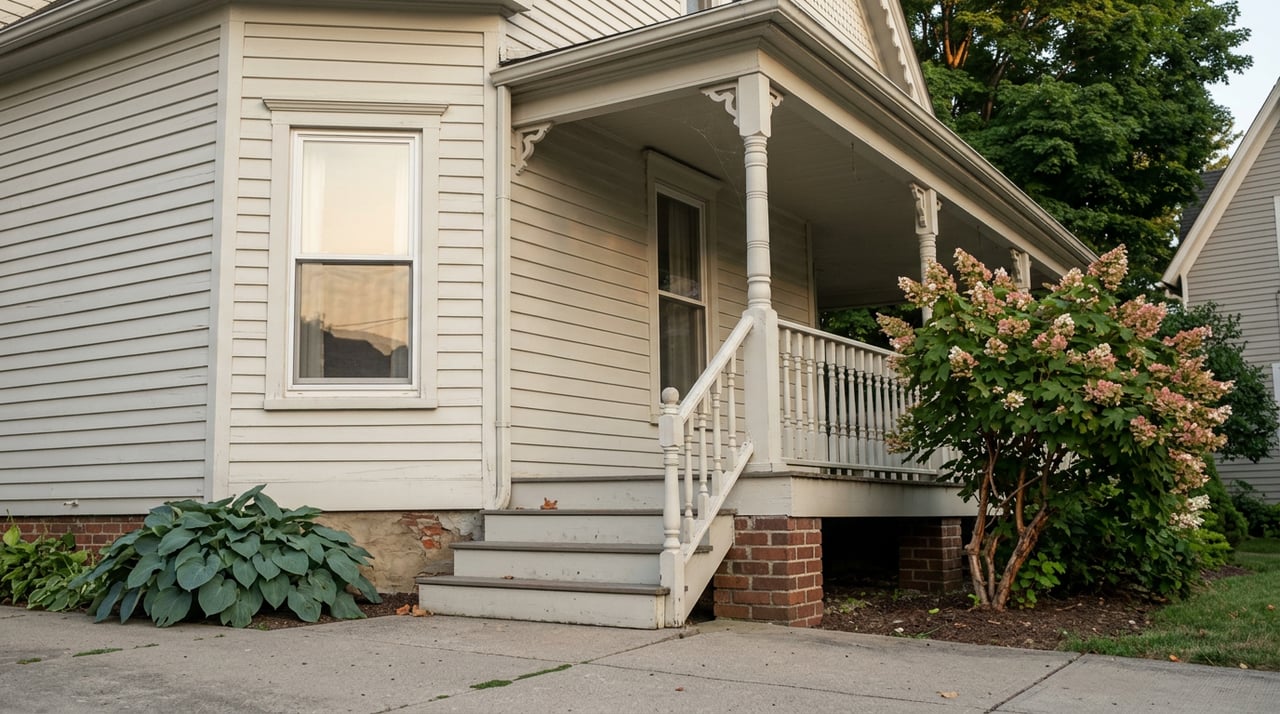
Vine sits directly against Western Michigan University and Kalamazoo College, close enough that Chenery Auditorium, the State Theatre, and the Kalamazoo Civic Theater all fall inside a short walk of the same blocks lined with Greek Revival and Victorian houses that make the neighborhood's historic district what it is. That proximity is the whole investment thesis: a five-bedroom house two blocks from campus, priced like a starter home, filled with students who need somewhere to live every fall. The math looks obvious until you find out the city already decided how many of those bedrooms you're allowed to rent to strangers, and that owning the house isn't the same as having permission to rent it.
Kalamazoo's zoning ordinance caps how many unrelated adults can occupy a single dwelling in many of the city's residential zones. That cap exists independent of how many bedrooms a house has. A five-bedroom near campus was almost certainly built for a family, not five separate leases, and the zoning code doesn't update itself just because the buyer's plan is five roommates splitting rent.
This is the detail that breaks a lot of first-time investor spreadsheets. The pro forma gets built around bedroom count, because that's what the listing photos sell. The actual revenue ceiling gets set by occupancy rules that live in a different document entirely, one that a real estate listing has no obligation to mention. Before writing an offer on anything larger than a duplex in Vine, the question worth answering isn't "how many bedrooms does this have." It's "how many unrelated tenants can legally occupy this address under the zoning district it sits in."
Even once the occupancy math checks out, Kalamazoo doesn't let an owner simply hand over keys. Every rental dwelling in the city, including single-family homes and duplexes, needs a valid Certificate of Compliance issued under the city's Housing Code before it can legally be leased. That means registering the property, designating a responsible local agent, and passing an inspection built around the International Property Maintenance Code before a certificate gets issued at all.
The certificate isn't permanent. A standard Certificate of Compliance runs on a 28-month cycle, though owners who maintain a clean inspection history can qualify for a longer 40-month cycle. Miss a renewal window or fail an inspection and the certificate can be denied or revoked, at which point the property legally can't be occupied as a rental until it's brought back into compliance and reinspected. For an out-of-town investor used to buy-and-lease-immediately timelines in less regulated markets, that inspection and registration step is a real gap between closing day and first rent check, not a formality to skim past.
Vine's sale prices tell a story that looks straightforwardly good for buyers on paper. Over the three months ending May 2026, the median sale price in Vine was $163,000, down 3.5 percent compared to the same period a year earlier. Homes are also moving fast: the average time on market fell to about 15 days, down sharply from roughly 87 days over the same window the year before.
That combination, a lower median price and a much faster sale pace, usually signals a market where buyers have less room to negotiate. Sellers who list into a 15-day average don't need to absorb inspection findings or repair credits to get a deal done, which means an investor who assumes the sale price will flex to cover certification-related repairs is often wrong. If the roof, egress windows, or electrical don't already meet the standards a city inspector checks for, that cost comes out of the buyer's pocket after closing, not out of the negotiated price before it.
Rent tells a more cautious story. As of July 2026, average rent across Vine sat around $875 a month, down about 3 percent from the prior month and 8 percent from a year earlier. A softening rent line paired with a still-competitive sale price means the spread an investor is underwriting has gotten tighter on both ends at once. That's the kind of detail a median price alone never shows, and it's exactly why the purchase price isn't the number that determines whether this pencils out.
| Metric | A year earlier | Now |
|---|---|---|
| Median sale price | Roughly 3.5% higher | $163,000 (three months ending May 2026) |
| Average days on market | About 87 days | About 15 days |
| Average monthly rent | About 8% higher | Around $875 (July 2026) |
Kalamazoo's Fair Chance Housing Ordinance limits how landlords can use criminal history in tenant screening, and the city's broader Fair Housing Standards chapter adds source-of-income protections and specific rules on how application fees can be charged and itemized. Landlords are also required to include specific disclosure language in rental advertisements about how criminal background checks factor into the screening process.
For an investor picturing a tightly curated roster of student tenants, these rules matter operationally, not just legally. A landlord can't run a blanket policy that automatically excludes applicants over eviction filings or conviction records, and can't reject an applicant simply because their income includes a housing voucher or other subsidy. None of this makes screening impossible. It does mean the screening process for a Vine rental has to be built around the same rules that apply to every other rental in the city, student housing included, rather than around whatever informal process feels efficient for filling five bedrooms before August.
Leasing near WMU and Kalamazoo College runs on the school calendar more than the regular calendar. Most turnover and available inventory near campus concentrates in the April through May window, when students are locking in housing for the following fall. That timing matters more than it looks like on the surface, because it collides directly with the certification cycle described above.
A property that needs a reinspection or a certificate renewal that lands in June or July, after the spring leasing window has already closed, can sit through an entire academic year without generating rent. An investor who buys in spring, assumes a quick certification, and plans to lease by fall needs the inspection and registration steps to happen well before the spring leasing rush, not after it. The two systems, academic timing and municipal certification timing, only work together if an owner plans around both from the start.
Does the occupancy cap apply if all the tenants are related to each other? The cap targets unrelated adult occupants specifically. Family relationships are treated differently under most residential zoning definitions, so a property housing a single family isn't subject to the same limit as one housing unrelated roommates.
What happens if a property fails its compliance inspection after I've already closed? The city can deny or revoke a Certificate of Compliance until the violations are corrected and the property is reinspected, and the property legally can't be occupied as a rental in the meantime. Any new owner can also request a copy of outstanding compliance orders from the city before closing, which is worth doing as part of due diligence rather than discovering the order after the fact.
Can I skip registration if I'm only renting to one WMU student? No. The city's rental registration and certification program applies to rental dwellings generally, including single-family homes, not just larger multi-unit buildings.
The Vine numbers make a strong case for Kalamazoo as a student-rental market. They just don't tell the whole story on their own, and the part they leave out is exactly the part that determines your real return. If you're weighing a purchase near WMU or Kalamazoo College and want someone who can walk the zoning, the certification timeline, and the actual numbers with you before you write an offer, Adam Atwood and the team at Atwood Properties Group work these deals from acquisition through lease-up every day. Reach out before you bid, not after you close.
Stay up to date on the latest real estate trends.
Partner with Atwood Properties Group for expert guidance in buying, selling, renting, or investing. Honest advice, seamless service, and local expertise you can trust every step.