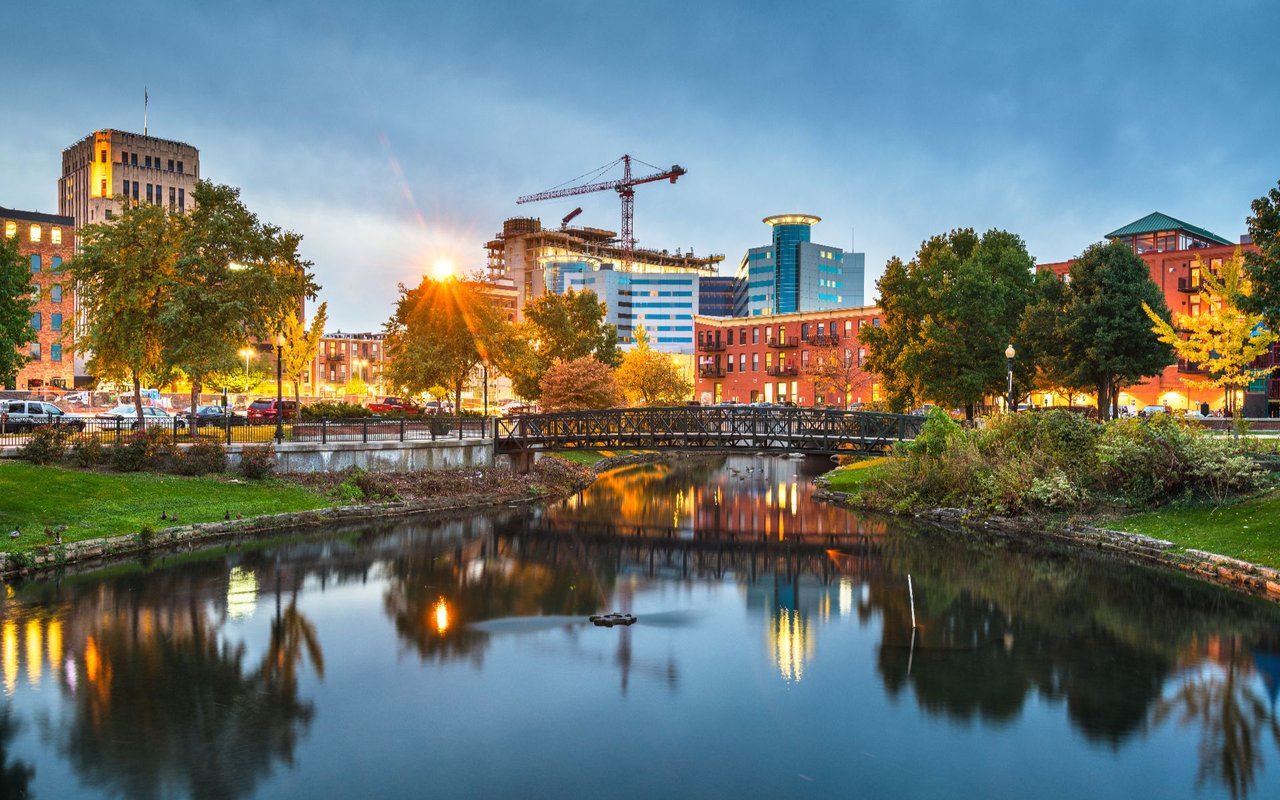
162,837 people live in Kalamazoo, where the median age is 32.7 and the average individual income is $36,405. Data provided by the U.S. Census Bureau.
Total Population
Median Age
Population Density Population Density This is the number of people per square mile in a neighborhood.
Average individual Income
Kalamazoo sits along I-94 in Southwest Michigan, about 140 miles from both Chicago and Detroit. It has the amenities you'd expect from a larger metro, including two major hospital systems, a research university, Broadway tours, and a nationally known brewery. It also keeps the housing costs and short commutes of a mid-sized Midwestern city.
What sets Kalamazoo apart from other college towns is the Kalamazoo Promise. This donor-funded scholarship covers up to 100% of college tuition for qualifying Kalamazoo Public Schools graduates, and it directly shapes where families choose to buy. Combine that with a life sciences economy anchored by Stryker, Pfizer, and Zoetis, and you get a market with steady demand from students, healthcare workers, young families, and investors.
For buyers, the practical takeaway is that Kalamazoo offers real variety within a short drive. You can choose a restored Victorian a few blocks from downtown, a mid-century ranch near the airport, or newer construction in the surrounding townships. Each comes with different tax rates, school districts, and lifestyles.
The land was home to the Potawatomi long before European settlement. The name "Kalamazoo" comes from a Native word tied to the Kalamazoo River, often translated as "where the water boils" or "the mirage of reflecting waters."
Titus Bronson founded the settlement in the early 1830s and named it after himself. It was renamed Kalamazoo in 1836 and became a city in 1884. Several industries then shaped the city you see today:
That layered history is why a single drive across town can take you past 1870s Italianates, 1920s Tudors, Frank Lloyd Wright Usonians, and new subdivisions.
Kalamazoo remains one of the more affordable markets in the Midwest, but well-priced homes do not sit long. Single-family inventory is tight, especially in the Kalamazoo Public Schools (KPS) district, where the Promise keeps demand high.
Market Snapshot | Approximate Range | What It Means for You |
|---|---|---|
Typical home value | Low-to-mid $200,000s | Varies widely between city neighborhoods, townships, and campus-adjacent areas |
Year-over-year appreciation | Mid-single to low-double digits | Steady gains backed by stable employers |
Median days on market | Roughly 2 weeks | Move-in-ready homes often draw multiple offers |
Average rent | Roughly $1,200–$1,300 | Strong rental demand from WMU, K College, and the hospitals |
Market figures change monthly, so treat these as a starting point and ask us for current numbers for the specific street you're considering.
What we see on the ground:
Each Kalamazoo neighborhood fits a different kind of buyer. The table below gives a quick comparison, followed by details on each area.
Neighborhood | Best For | Typical Housing |
|---|---|---|
Vine | Investors, students, young professionals | Victorians, converted multi-family |
Stuart | Historic home lovers, downtown commuters | 19th-century homes |
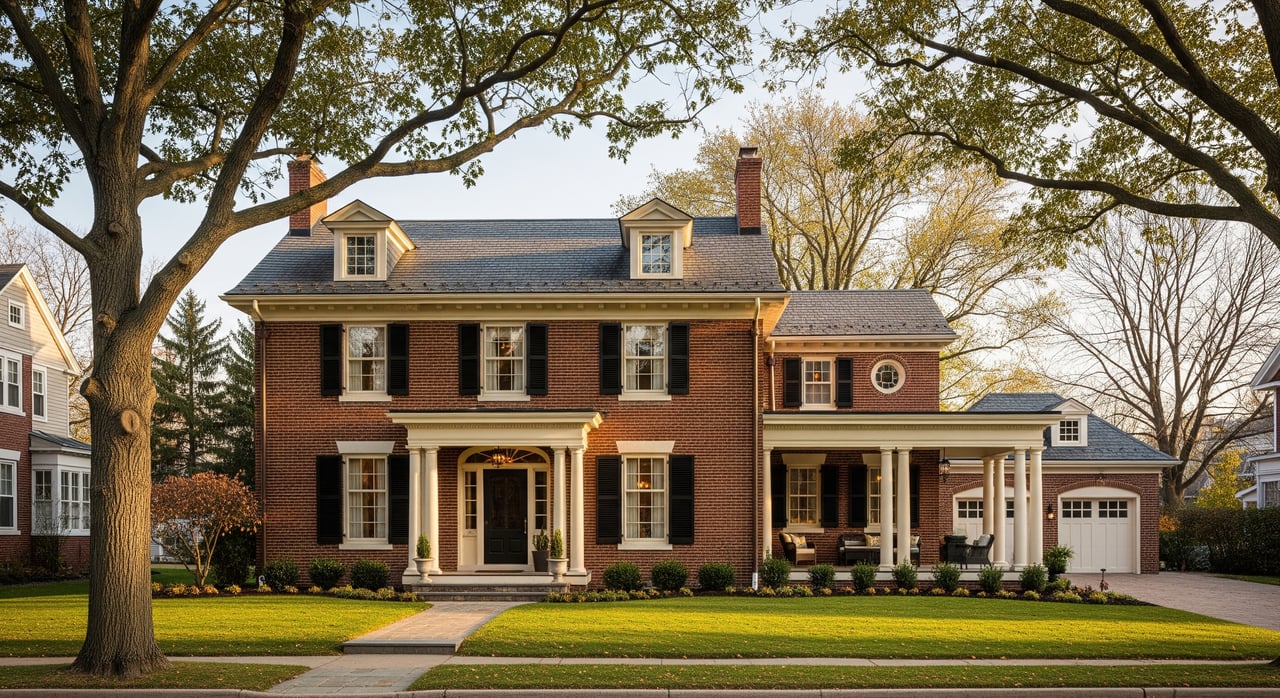
Westnedge Hill | Buyers wanting character close to downtown | Tudors, Craftsman, Colonial Revival |
Oakland/Winchell | Families, WMU and hospital staff | Mid-century homes on mature lots |
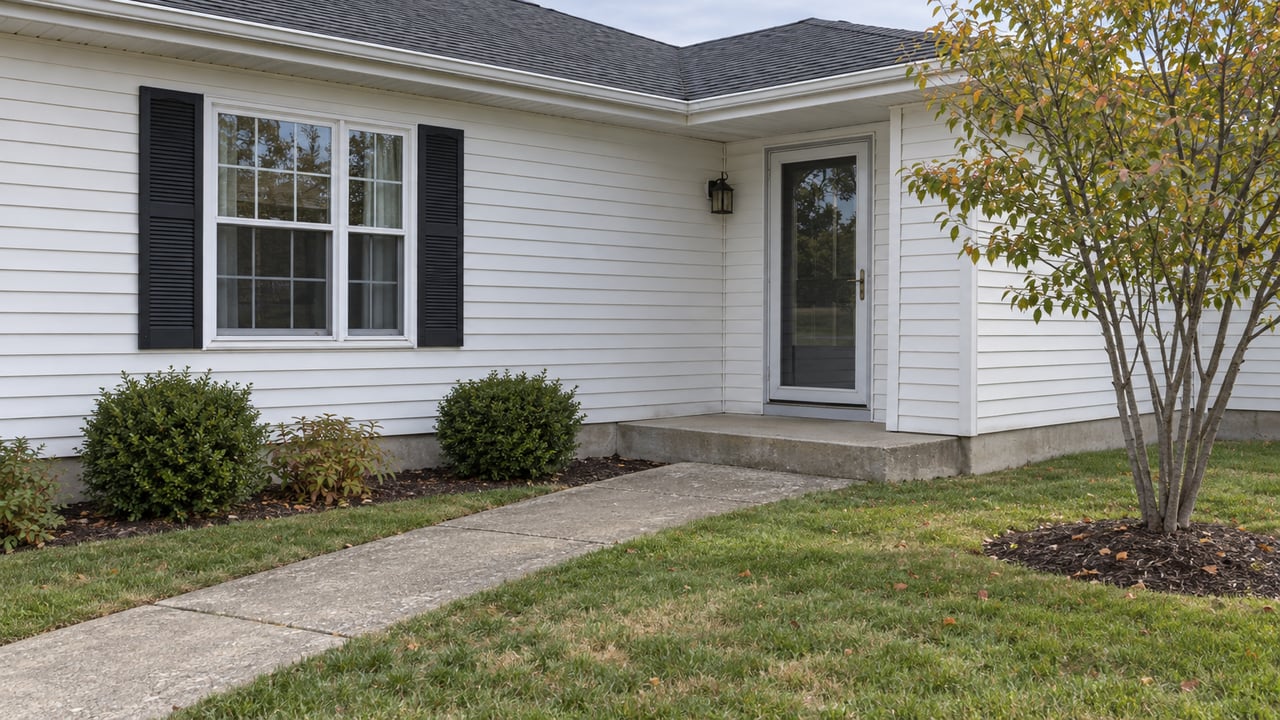
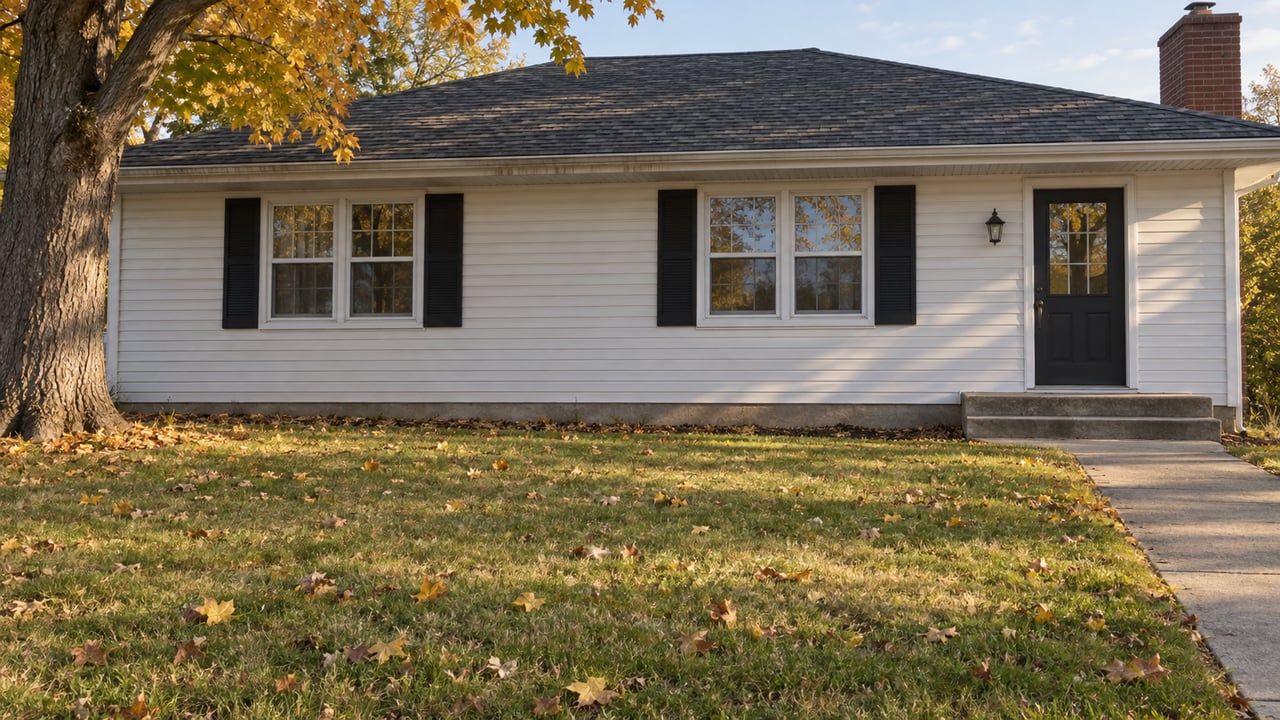
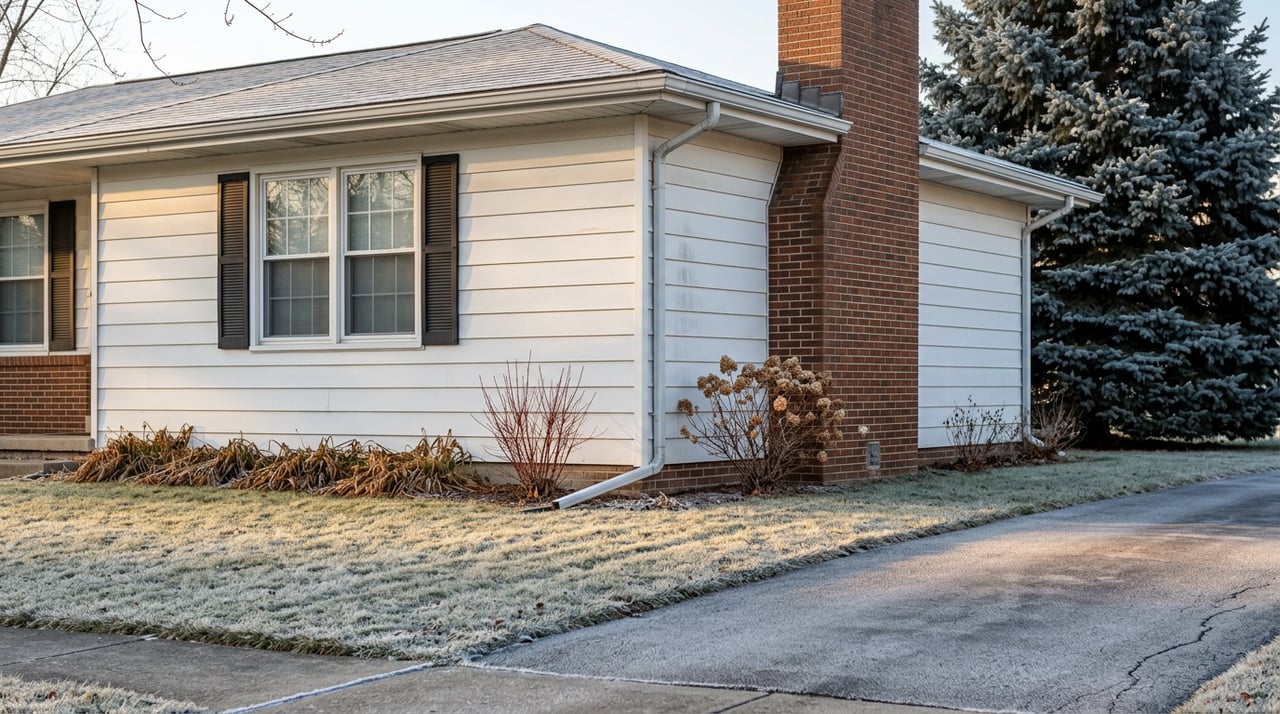
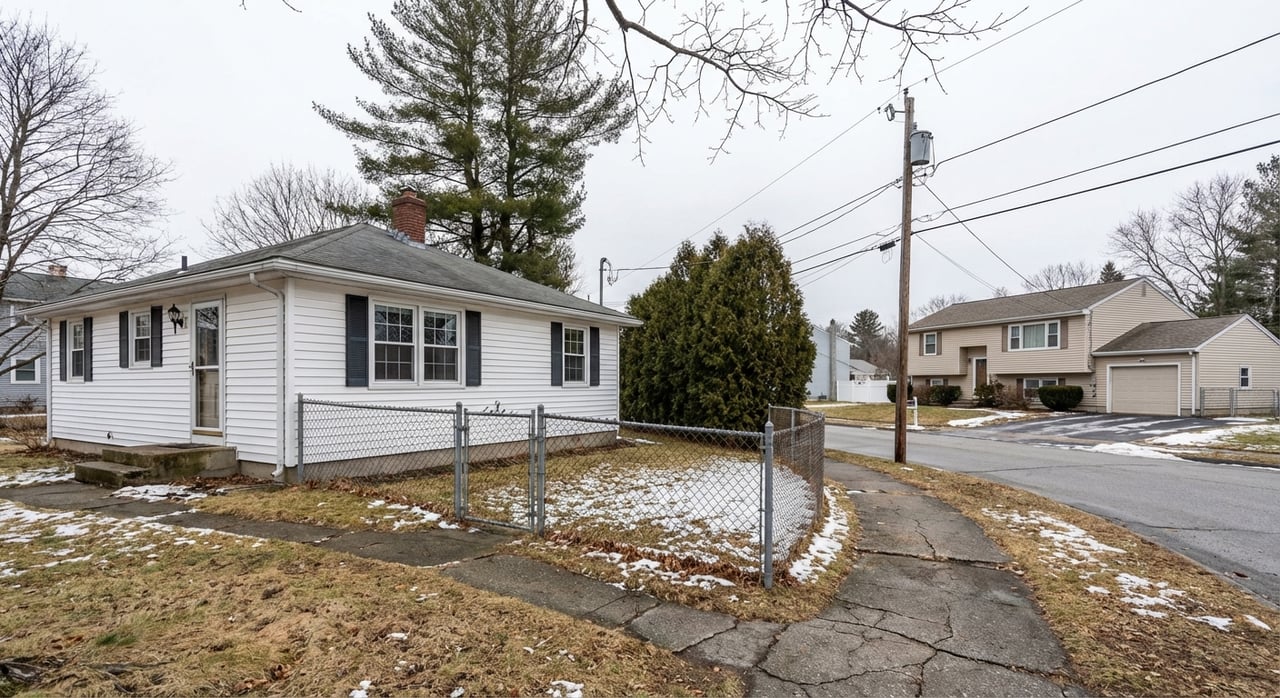
Milwood | First-time buyers | Ranches, Cape Cods, bungalows |
Westwood | Buyers wanting space while staying in KPS | 1950s–1980s homes on larger lots |
Vine lies between downtown and Western Michigan University. It's walkable and historic, with large Victorian houses (many divided into apartments), coffee shops, and community gardens. It's one of Kalamazoo's most popular areas for rental investment, but owner-occupants who want an older home with character can also find well-restored single-family houses here.
Just northwest of downtown, Stuart has some of the city's most impressive 19th-century homes and an active neighborhood association. It suits buyers who appreciate original woodwork and don't mind the upkeep that comes with a historic home. You can walk or bike to work downtown.
Westnedge Hill sits on high ground south of downtown. It has early 20th-century Tudors, Craftsman bungalows, and Colonial Revivals on landscaped lots. From here you have quick access to both downtown and the shopping corridors in Portage, so you don't have to choose between character and convenience.
This area has quiet, tree-lined streets, solid mid-century homes, and a strong family feel. It's popular with WMU faculty and healthcare workers. Asylum Lake Preserve is nearby, and the neighborhood includes Parkwyn Village, a Frank Lloyd Wright–designed community.
Milwood is on the south side near the airport. It's one of the city's most accessible entry points for first-time buyers, with modest ranches, Cape Cods, and bungalows, neighborhood parks, and quiet streets.
Westwood, on the west side near Oshtemo, has larger lots and 1950s–1980s homes close to the West Main and Drake Road retail areas. Much of it falls within Kalamazoo Township while remaining in the KPS district, which makes it a good fit for families who want more yard and Promise eligibility.
Many of our clients also look at Portage, Texas Township, and Oshtemo Township for newer construction and different school options. Those wanting a smaller-town pace look at Plainwell, Otsego, Allegan, and Paw Paw. Keep in mind that township addresses often fall outside KPS, which affects Promise eligibility. Always verify the school district by address, not by mailing city.
Kalamazoo's housing stock follows its history, from mill-era mansions to mid-century modern design to recent infill.
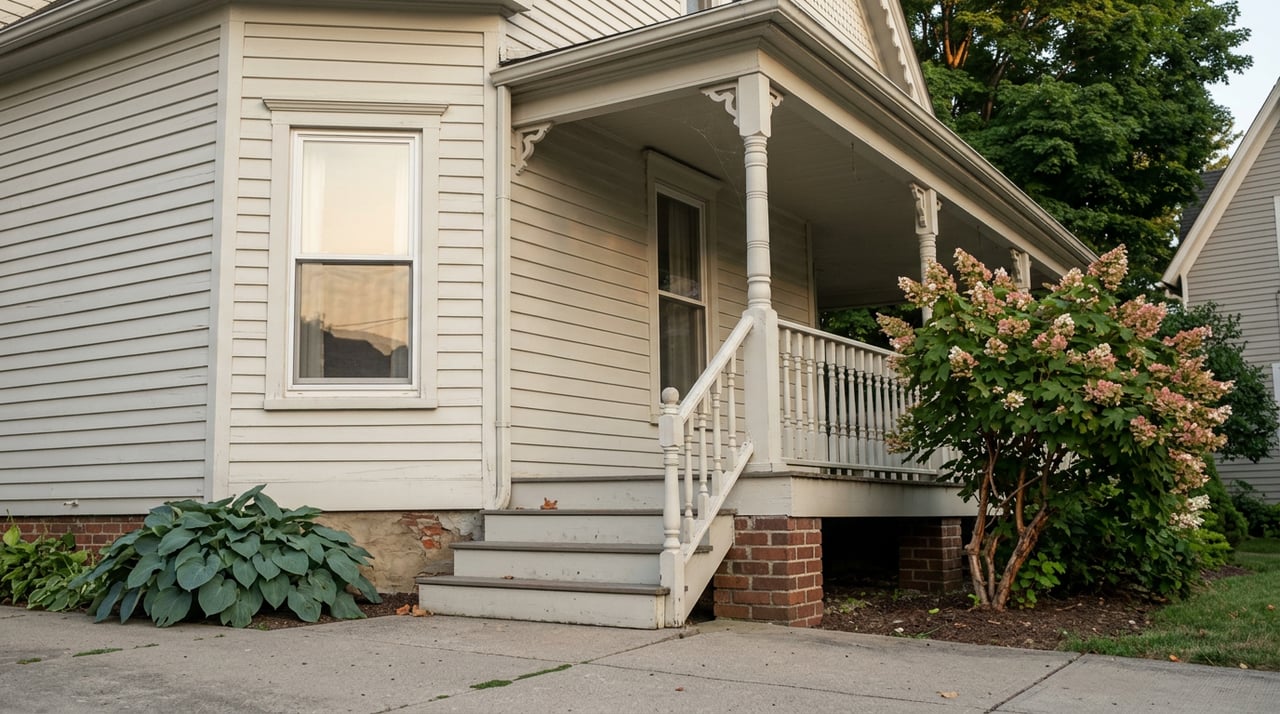
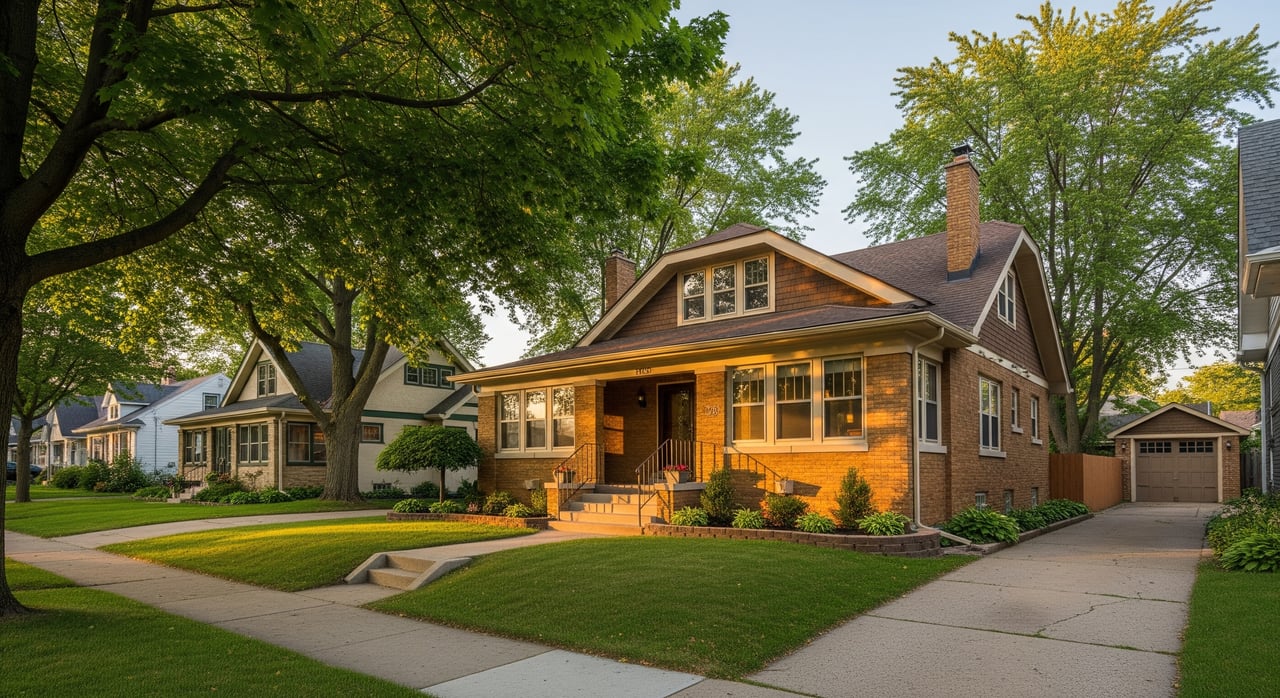
Historic homes (1850s–1920s). Victorian, Queen Anne, and Italianate homes are concentrated in Vine and Stuart, with ornate trim, steep gables, and wraparound porches. Tudor and Colonial Revival homes appear throughout Westnedge Hill and near Winchell. Craftsman bungalows with deep porches and exposed rafters are common in Edison, Oakland, and Milwood.
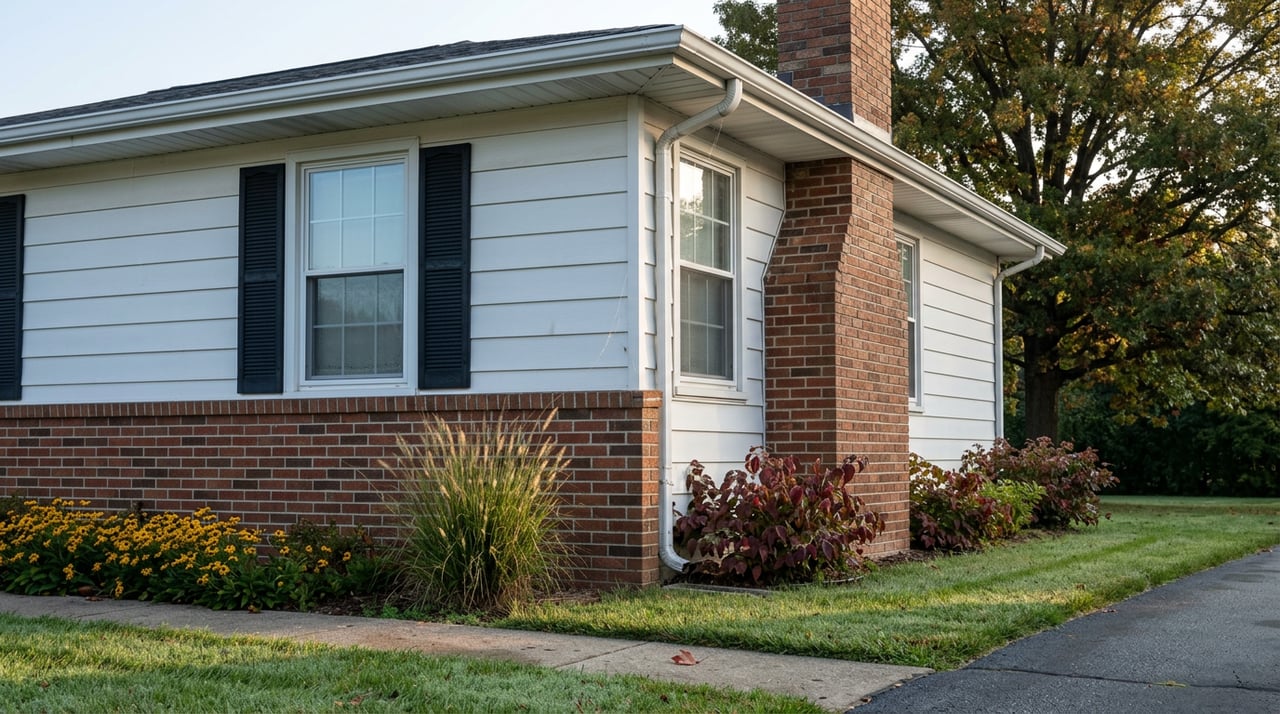
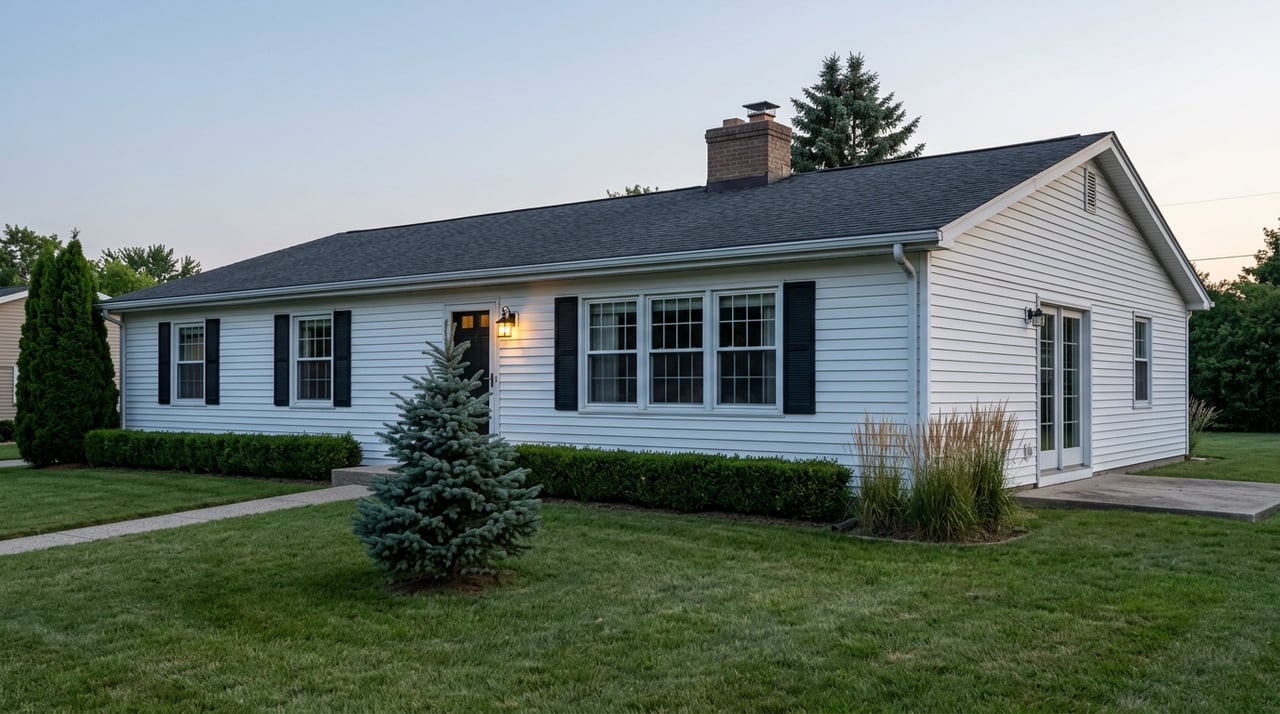
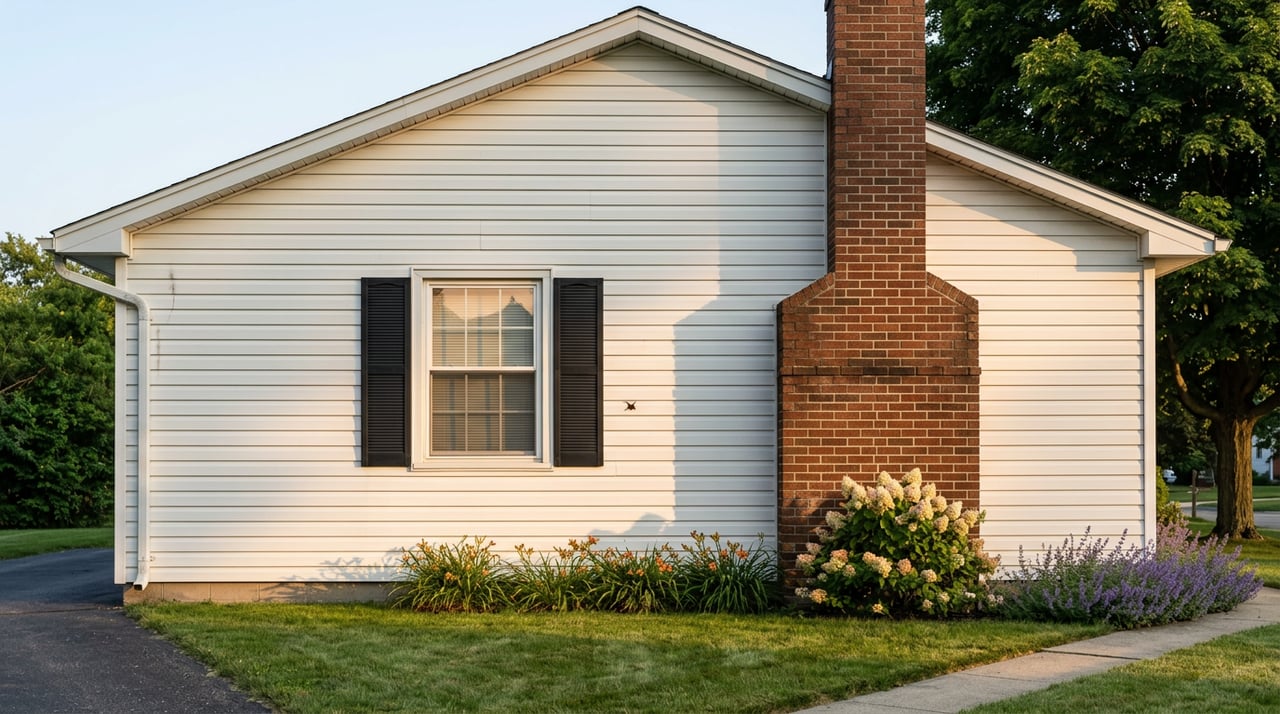
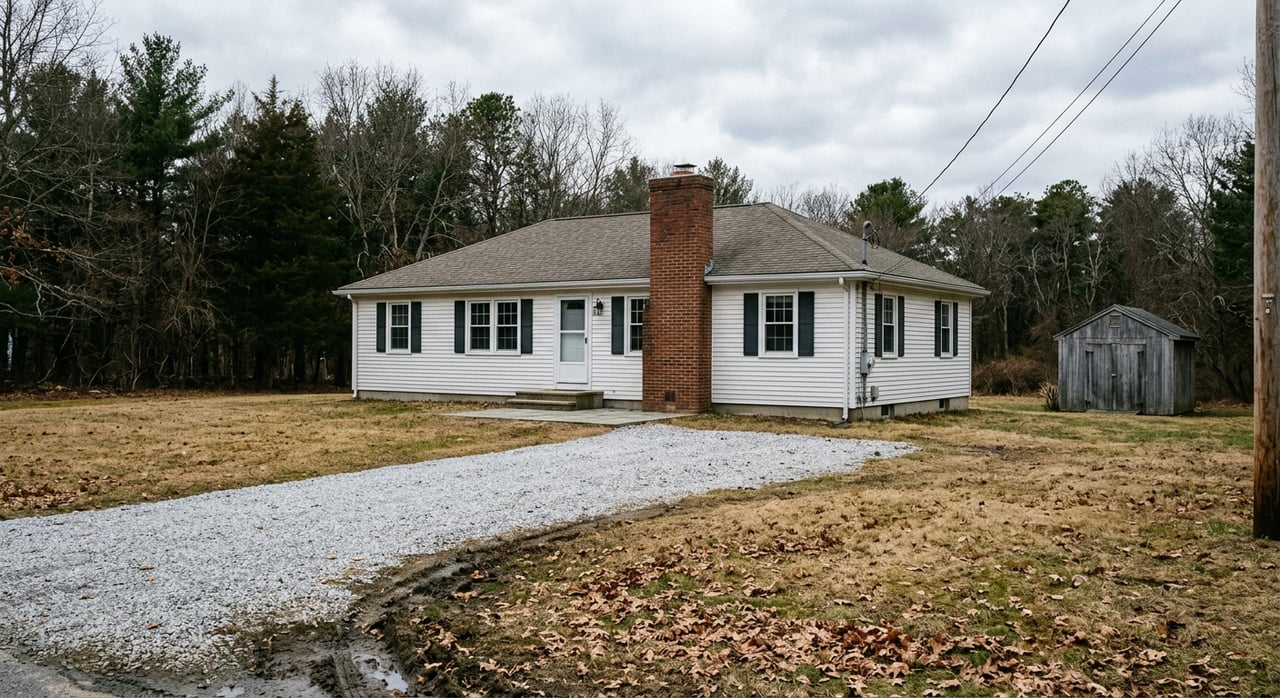
Frank Lloyd Wright and mid-century modern (1940s–1970s). Kalamazoo is a destination for Wright enthusiasts thanks to Parkwyn Village in the city and the Galesburg Country Homes just east of town. These Usonian homes rarely come on the market, and when they do, they attract buyers from well beyond Michigan. More common are the mid-century ranches and Cape Cods in Milwood, Winchell, and Portage, which offer single-story living, basements, and attached garages.
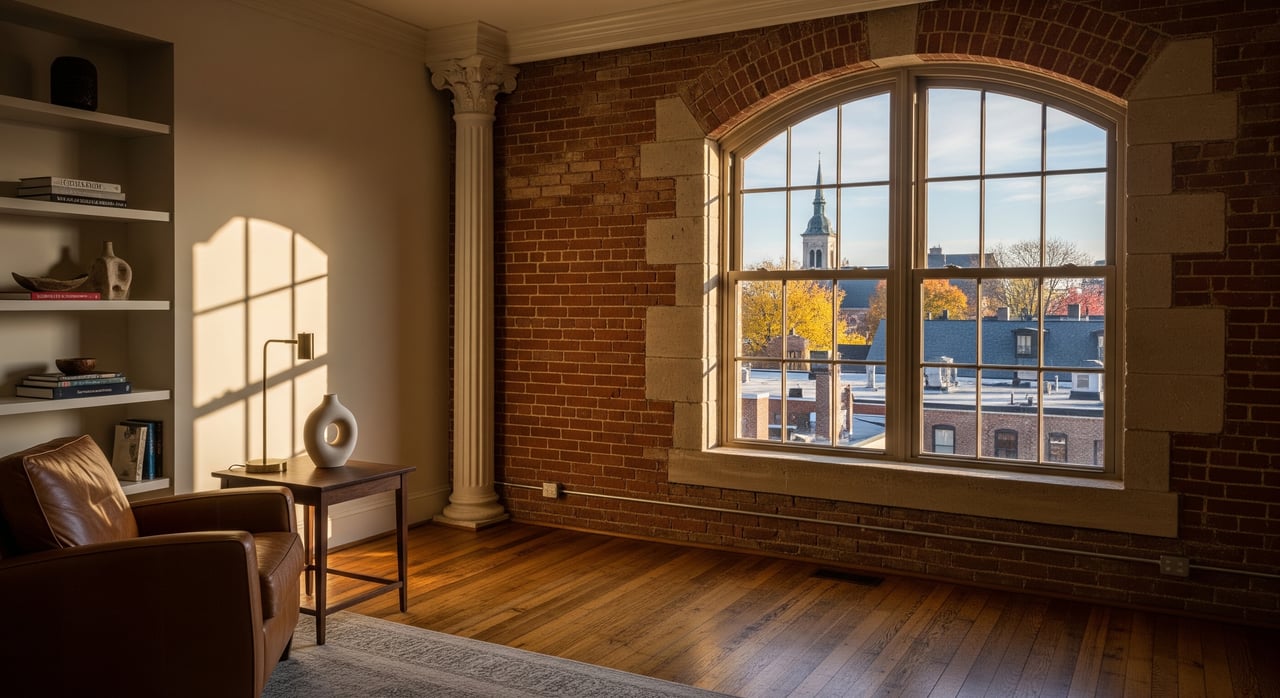
Lofts and new construction (2000s–present). Former industrial buildings downtown have been converted into brick-and-beam lofts and condos. New subdivisions in Oshtemo, Texas Township, and Portage offer open floor plans, energy-efficient systems, and multi-car garages.
Our advice on older homes: get a sewer scope and have the electrical system checked during your inspection. Many pre-1940 homes still have original clay sewer lines or older wiring, and these items affect your budget more than paint colors.
Kalamazoo's overall cost of living runs roughly 7–14% below the national average. Housing accounts for most of the difference, costing well under the national norm whether you rent or buy.
Healthcare costs also tend to come in below average, helped by competition between two large hospital systems. Groceries and transportation run slightly below national averages, and the average commute is under 20 minutes.
There are two costs buyers sometimes underestimate. The first is winter heating, especially in large, older homes with original windows. The second is car insurance, which runs higher statewide in Michigan. Ask for a home's utility history before you make an offer.
For families, the Kalamazoo Promise is the largest potential savings of all. It can be worth tens of thousands of dollars per child in college tuition.
Kalamazoo Public Schools serves roughly 12,000 students across more than two dozen schools. The district's biggest draw is the Kalamazoo Promise, launched in 2005 by anonymous donors as one of the first programs of its kind in the country.
How the Promise works:
Why this matters for buyers: the benefit depends on living within KPS boundaries, and not every address with a "Kalamazoo" mailing address qualifies. Before you write an offer, we confirm the school district for that exact property.
Kalamazoo's colleges are a major part of the city's economy and its rental market.
Western Michigan University is a public research university with about 17,000 students. It's known for its College of Aviation, engineering, and paper science, and it partners with the private WMU Homer Stryker M.D. School of Medicine downtown. WMU drives steady rental demand in Vine, along West Main, and in the surrounding neighborhoods.
Kalamazoo College is a small private liberal arts college with about 1,400 students, known for its "K-Plan," which emphasizes study abroad and a senior independent project. Its hilltop campus sits near the Stuart and West Main areas.
Kalamazoo Valley Community College offers associate degrees, career training, and a downtown culinary and allied health campus. It's also a popular, affordable option for Promise scholars.
Kalamazoo's economy rests on medical technology, pharmaceuticals, healthcare, and education. These industries tend to hold steady through economic downturns, which helps keep the housing market stable.
Relocating for Stryker, Pfizer, Bronson, or WMU? Tell us where you'll be working and we'll show you neighborhoods with the shortest commutes.
Downtown Kalamazoo is centered on the Kalamazoo Mall, the country's first outdoor pedestrian mall. It's lined with independent shops, bookstores, galleries, and restaurants. Downtown also has a designated Social District, so you can carry a drink from participating businesses into marked common areas.
Other local favorites:
Kalamazoo is one of Michigan's best-known beer cities, and Bell's Brewery is the main reason. Founded in 1985, Bell's helped launch the American craft beer movement. Its downtown Eccentric Café has a beer garden, live music, and small-batch beers you won't find anywhere else.
Other local spots worth visiting:
The dining scene includes chef-driven restaurants downtown and a range of international cuisine across the city. From spring through fall, the Kalamazoo Farmers Market on Bank Street brings in local farmers, bakers, and food trucks each week, with produce grown on the farmland that surrounds the city.
Kalamazoo's arts scene is unusually strong for a city its size, supported by the universities and long-running community organizations.
Kalamazoo has a lot of green space for a city of its size, and much of it is close to residential neighborhoods.
In general, homes near the trail network and Asylum Lake hold their value well, and buyers often ask specifically for trail access.
By car. I-94 runs east to Detroit (about 140 miles) and west to Chicago (about 145 miles). US-131 runs north to Grand Rapids (about 50 miles). Most local commutes take under 20 minutes.
By train. Amtrak's Wolverine and Blue Water lines stop at the Kalamazoo Transportation Center downtown. The corridor toward Chicago supports speeds up to 110 mph, which makes day trips to Chicago practical without a car.
By air. Kalamazoo/Battle Creek International Airport (AZO) is on Portage Road, a few miles south of downtown. It offers nonstop connections to major hubs such as Detroit and Chicago, with short security lines and easy parking.
Public transit and biking. Kalamazoo Metro buses serve the city, Portage, and the campuses. Downtown bike lanes connect to the regional trail system.
Choosing the right part of Kalamazoo comes down to details: which side of a school boundary a house sits on, which older homes are likely to need costly repairs, and which streets rent fastest. Adam Atwood is a lifelong Kalamazoo resident with nearly 20 years of experience in real estate sales and property management. He is a licensed broker and builder, and he and the Atwood Properties Group team help buyers, sellers, and investors throughout Kalamazoo, Portage, the surrounding townships, and the smaller communities of Southwest Michigan. Whether you're buying your first home in Milwood, selling a historic home in Stuart, or adding a rental near WMU, you'll get honest, no-pressure guidance from people who know these neighborhoods. Call (269) 377-4589, email [email protected], or visit our office at 101 E Allegan St, Otsego, MI 49078 to get started.
There's plenty to do around Kalamazoo, including shopping, dining, nightlife, parks, and more. Data provided by Walk Score and Yelp.
Explore popular things to do in the area, including Sawed Offs Kitchen, PJW, and The Ice Cream Shop.
| Name | Category | Distance | Reviews |
Ratings by
Yelp
|
|---|---|---|---|---|
| Dining | 0.25 miles | 0 reviews | 0/5 stars | |
| Dining | 0.25 miles | 7 reviews | 3.7/5 stars | |
| Dining | 0.46 miles | 0 reviews | 0/5 stars | |
| Dining | 0.8 miles | 0 reviews | 0/5 stars | |
| Dining · $ | 0.86 miles | 27 reviews | 2.9/5 stars | |
| Dining | 0.88 miles | 0 reviews | 0/5 stars | |
| Active | 0.25 miles | 0 reviews | 0/5 stars | |
| Active | 0.46 miles | 0 reviews | 0/5 stars | |
| Active | 0.54 miles | 0 reviews | 0/5 stars | |
| Active | 0.72 miles | 7 reviews | 3.7/5 stars | |
| Active | 0.9 miles | 1 review | 5/5 stars | |
| Beauty | 0.25 miles | 0 reviews | 0/5 stars | |
| Beauty | 0.37 miles | 8 reviews | 3.8/5 stars | |
| Beauty | 0.43 miles | 0 reviews | 0/5 stars | |
| Beauty | 0.44 miles | 0 reviews | 0/5 stars | |
| Beauty | 0.44 miles | 0 reviews | 0/5 stars | |
| Beauty | 0.46 miles | 0 reviews | 0/5 stars | |
| Beauty | 0.76 miles | 4 reviews | 4.3/5 stars | |
| Beauty | 0.76 miles | 0 reviews | 0/5 stars | |
| Beauty | 0.78 miles | 1 review | 5/5 stars | |
| Beauty | 0.81 miles | 0 reviews | 0/5 stars | |
| Beauty | 0.81 miles | 0 reviews | 0/5 stars | |
| Beauty | 0.83 miles | 0 reviews | 0/5 stars | |
| Beauty | 0.85 miles | 100 reviews | 2.4/5 stars | |
|
|
||||
|
|
||||
|
|
||||
|
|
||||
|
|
||||
|
|
Kalamazoo has 66,946 households, with an average household size of 2.2914285714285714. Data provided by the U.S. Census Bureau. Here’s what the people living in Kalamazoo do for work — and how long it takes them to get there. Data provided by the U.S. Census Bureau. 162,837 people call Kalamazoo home. The population density is 1,793 and the largest age group is Data provided by the U.S. Census Bureau.
Total Population
Population Density Population Density This is the number of people per square mile in a neighborhood.
Median Age
Men vs Women
Population by Age Group
0-9 Years
10-17 Years
18-24 Years
25-64 Years
65-74 Years
75+ Years
Education Level
Total Households
Average Household Size
Average individual Income
Households with Children
With Children:
Without Children:
Marital Status
Blue vs White Collar Workers
Blue Collar:
White Collar:
October 8, 2026
August 13, 2026
September 10, 2026
October 1, 2026
August 27, 2026
October 8, 2026
September 10, 2026
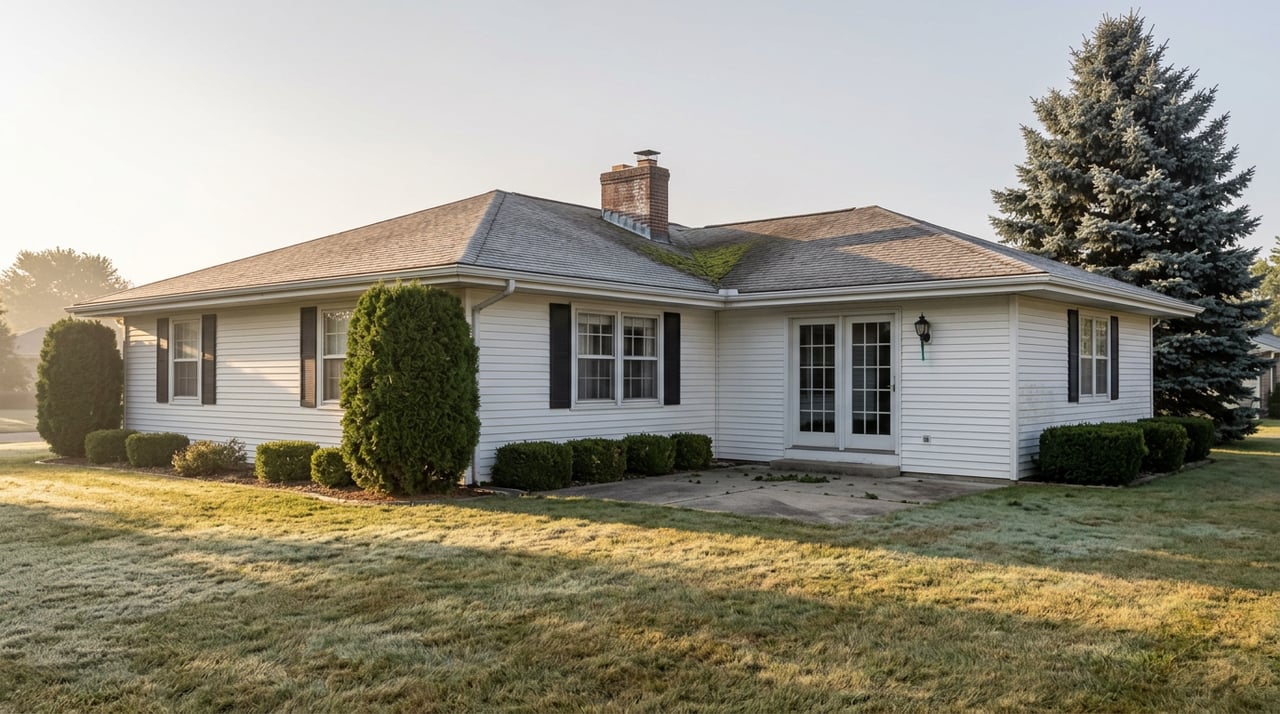
September 24, 2026
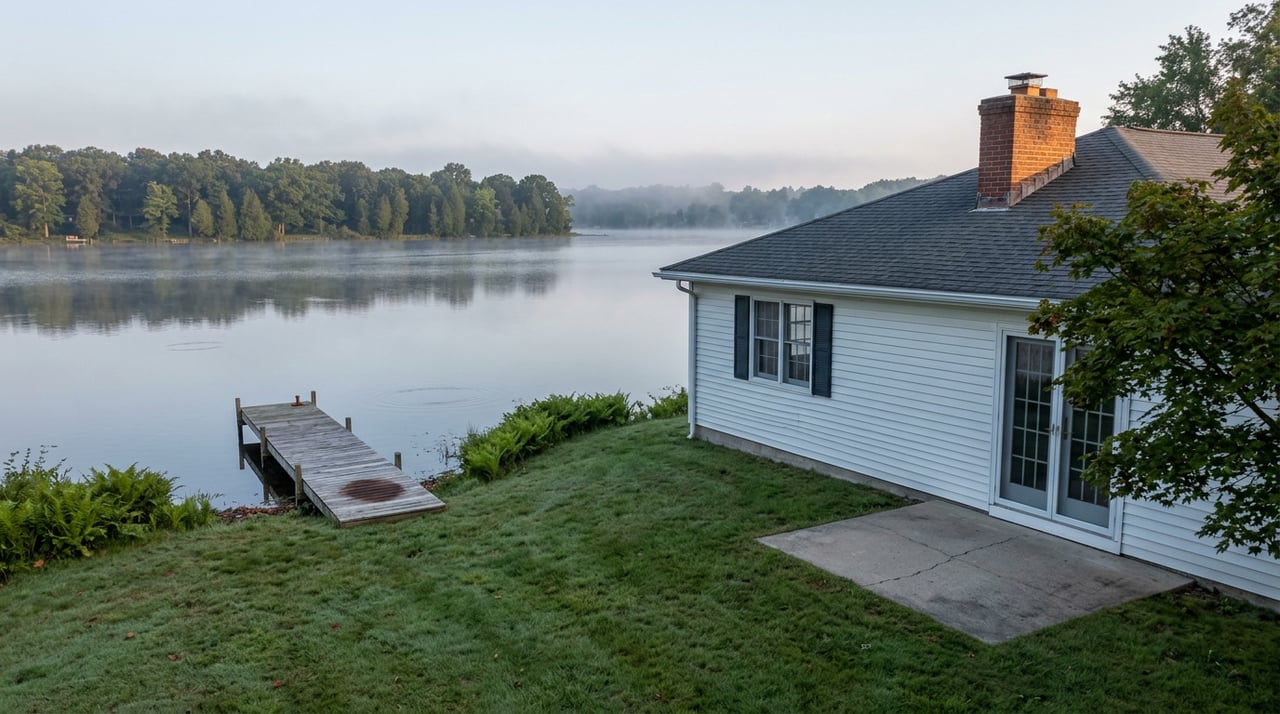
September 17, 2026
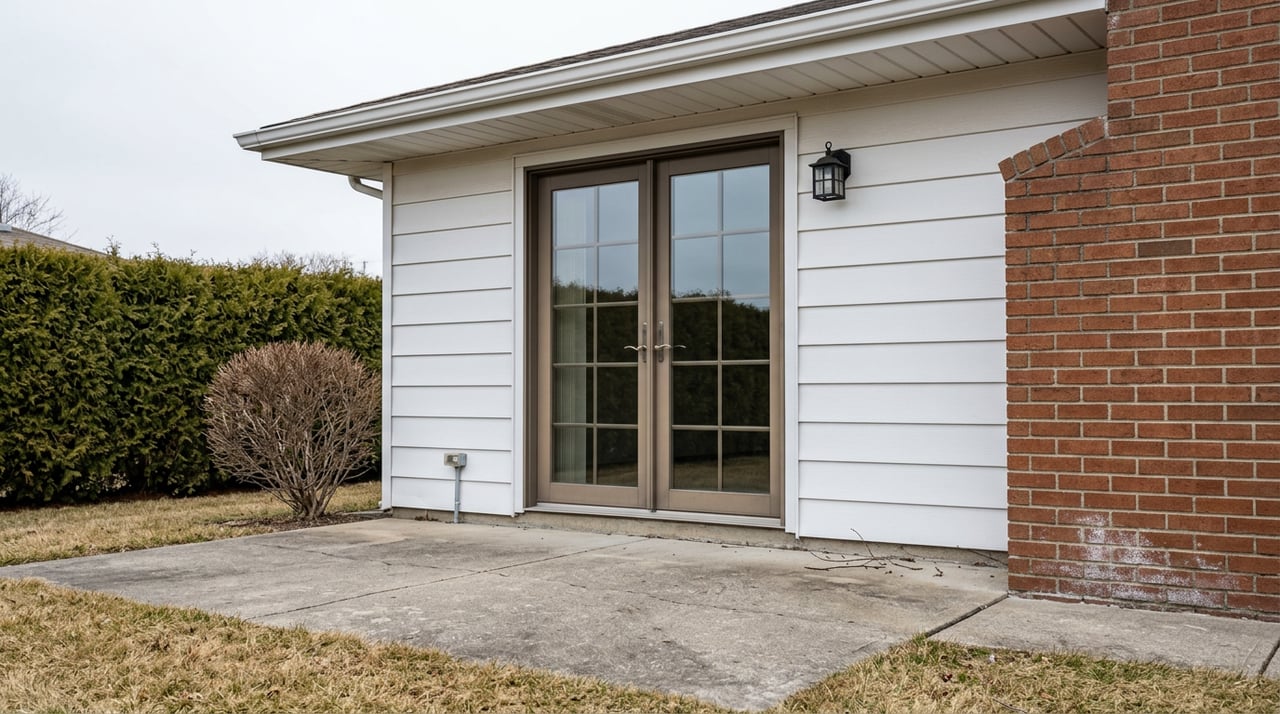
September 17, 2026
August 20, 2026
August 13, 2026
August 6, 2026
August 27, 2026
June 25, 2026
July 23, 2026
August 6, 2026
July 23, 2026
March 26, 2026
July 23, 2026
July 23, 2026
April 23, 2026
July 16, 2026
July 9, 2026
June 11, 2026
July 2, 2026
March 24, 2026
May 28, 2026
June 18, 2026
April 2, 2026
May 21, 2026
June 4, 2026
April 9, 2026
April 16, 2026
May 14, 2026
May 7, 2026
February 12, 2026
March 5, 2026
December 18, 2025
December 25, 2025
February 26, 2026
November 21, 2025
November 27, 2025
March 12, 2026
January 1, 2026
January 15, 2026
December 11, 2025
February 19, 2026
January 22, 2026
February 5, 2026
November 14, 2025
January 8, 2026
December 4, 2025
November 27, 2025
November 6, 2025
Partner with Atwood Properties Group for expert guidance in buying, selling, renting, or investing. Honest advice, seamless service, and local expertise you can trust every step.